
Getting a new piercing is an exciting experience, but proper aftercare is crucial to ensure it heals smoothly and without complications. While many products claim to help with healing, using the wrong ones can lead to irritation, infections, or delayed recovery. Understanding what not to use on a new piercing is essential for keeping the
READ MOREAuthor: admin
How to Talk to Your Piercer About Cultural and Skin-Specific Concerns
Body piercing is more than just a fashion statement—it is deeply personal and, for many, deeply cultural. Whether it’s a nostril piercing inspired by South Asian traditions, a stretched lobe associated with African heritage, or a septum piercing with Indigenous roots, it’s essential to acknowledge that body modification has a rich, multifaceted history. Yet, navigating
READ MOREPiercing Irritation vs. Infection: How to Tell the Difference
Getting a new piercing is an exciting form of self-expression, but it comes with responsibilities—especially when it comes to aftercare. One of the most common concerns new piercing enthusiasts face is determining whether a piercing is simply irritated or genuinely infected. This distinction is crucial because while irritation is often a normal part of the
READ MORETattoo Placement Guide: Pros, Cons, and Pain Levels
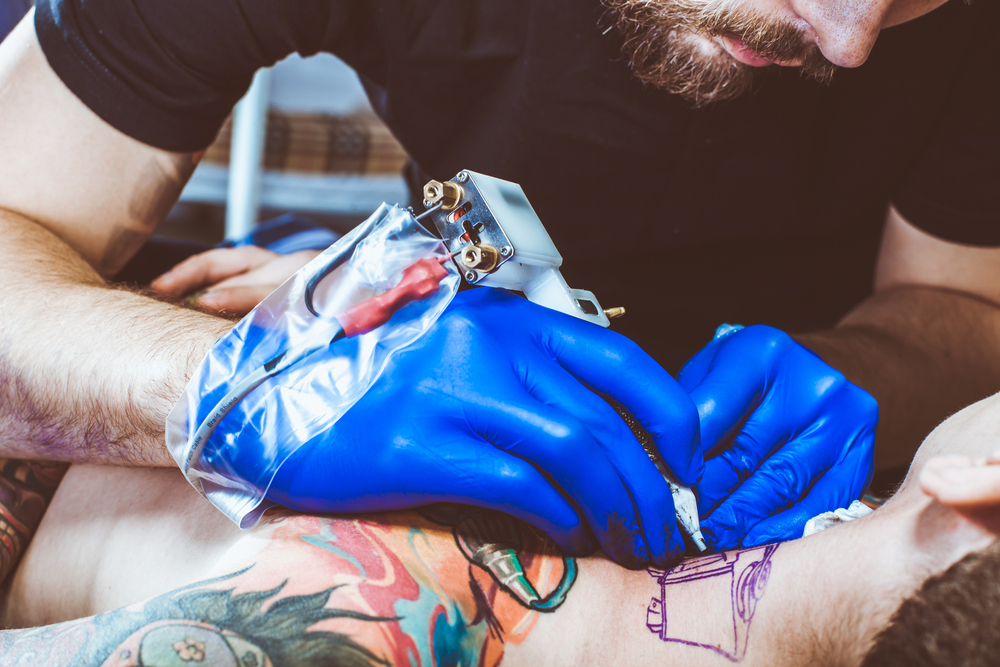
Tattoos are deeply personal forms of self-expression, but where you choose to place them can significantly impact your experience and long-term satisfaction. Whether you’re drawn to bold statements or subtle symbols, this tattoo placement guide will help you make an informed decision. Understanding the aesthetics, practicality, and tattoo pain levels by body part can ensure
READ MOREPiercing Healing 101: Timelines and Aftercare Tips
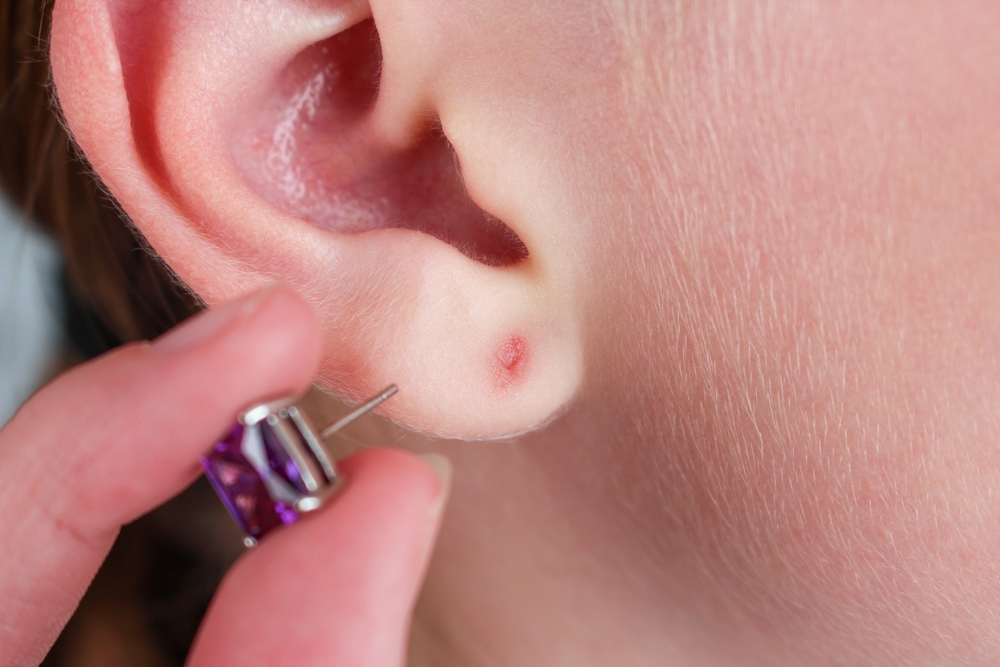
Body piercings have long been a powerful form of self-expression, but the process doesn’t end when you leave the piercing studio. Proper healing and aftercare are essential to avoid infection, preserve aesthetics, and ensure the longevity of your new adornment. Whether it’s your first or your tenth, understanding piercing healing time and following effective piercing
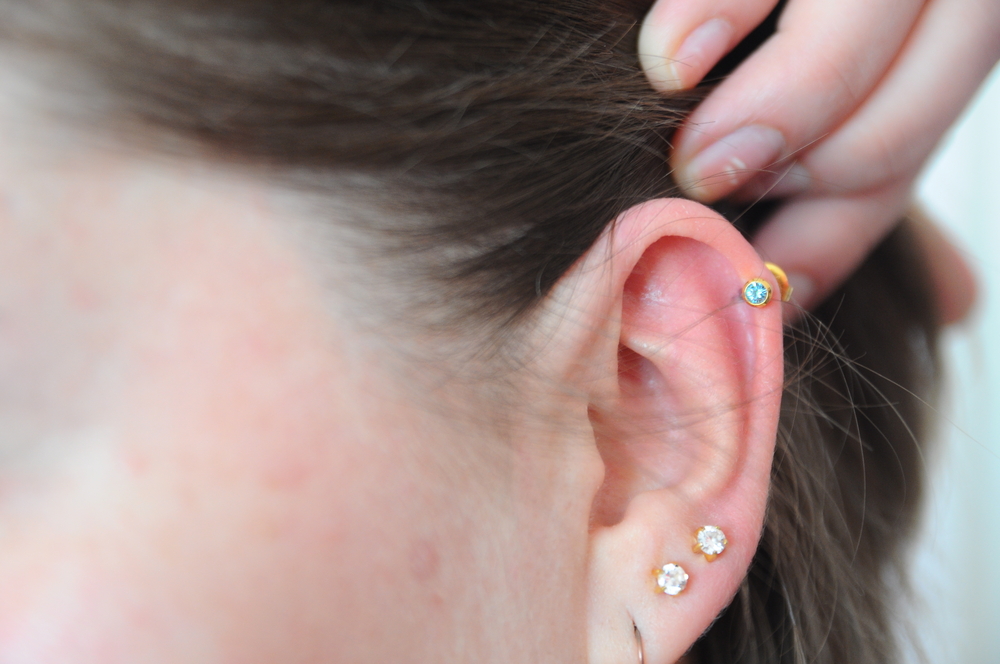
READ MOREGetting a new piercing is an exciting experience, but proper aftercare is crucial to ensure it heals smoothly and without complications. While many products claim to help with healing, using the wrong ones can lead to irritation, infections, or delayed recovery. Understanding what not to use on a new piercing is essential for keeping the area clean, healthy, and free from unnecessary problems. In this guide, we’ll break down the products to avoid on fresh piercings and explain why steering clear of them can make all the difference in your healing process.
Harsh Antiseptics and Alcohol-Based Products
One of the most common mistakes people make when caring for a new piercing is using harsh antiseptics like hydrogen peroxide, rubbing alcohol, or iodine solutions. While these products are often associated with cleaning wounds, they are too aggressive for fresh piercings. These solutions strip away the body’s natural oils and damage delicate tissue around the piercing site, slowing down the healing process rather than aiding it.
Fresh piercings rely on your body’s natural healing mechanisms, and disrupting that environment with alcohol-based products can cause excessive dryness, scabbing, and irritation. Even though hydrogen peroxide and rubbing alcohol kill bacteria, they also harm new skin cells that are trying to regenerate. Instead, professional piercers usually recommend a sterile saline solution because it’s gentle and effective for cleansing without interfering with natural healing. If you want your piercing to recover properly, avoiding these products is one of the most important steps you can take.
Antibiotic Ointments and Thick Creams
When thinking about what not to use on a new piercing, many people are surprised to learn that over-the-counter antibiotic ointments like Neosporin or Bacitracin are not suitable. These products are formulated to lock in moisture and create a protective barrier over wounds, which might seem helpful, but for piercings, they often do more harm than good. By trapping moisture and bacteria beneath the skin, they can lead to clogged openings, infections, and delayed healing.
Additionally, ointments make it difficult for the piercing to breathe, which is essential for tissue repair. They can also introduce unnecessary chemicals and additives into the wound area, leading to allergic reactions or increased irritation. Thick lotions, petroleum-based products, and balms should also be avoided for the same reason. Fresh piercings heal best when kept clean and allowed to breathe naturally. Using saline sprays or washes designed specifically for piercings is a much safer and more effective approach than applying heavy creams.
Makeup, Lotions, and Fragranced Products
Another group of products to avoid on fresh piercings includes cosmetics, scented lotions, and body sprays. Applying makeup near a healing piercing—especially facial or ear piercings—can introduce bacteria and chemicals into the wound, increasing the risk of infections and irritations. The same goes for lotions and creams that contain fragrances, alcohol, or dyes, as they often contain harsh ingredients that can interfere with healing.
For body piercings, perfumed soaps, bubble baths, and deodorants with strong chemicals should be avoided until the area has fully healed. Even small amounts of these substances can cause redness, swelling, or allergic reactions. Instead, it’s best to stick with fragrance-free, hypoallergenic cleansers and avoid applying any unnecessary products around the site. Keeping your skincare routine simple and focused on cleanliness will give your piercing the best chance to heal without complications.
Home Remedies and Unverified DIY Treatments
The internet is full of “quick fix” solutions and home remedies for piercing aftercare, but using unverified treatments can put your healing at risk. Some commonly suggested methods—such as applying toothpaste, apple cider vinegar, tea tree oil, or hydrogen peroxide mixed with water—may sound appealing but are generally unsafe for fresh piercings. Many of these substances are too acidic, too drying, or simply too harsh for sensitive, healing skin.
Tea tree oil, for instance, is often praised for its antibacterial properties, but when used undiluted on a new piercing, it can lead to extreme dryness, chemical burns, and skin irritation. Similarly, vinegar-based treatments can disrupt your skin’s pH balance and cause unnecessary damage. It’s always best to follow professional recommendations and avoid experimenting with homemade solutions. Using approved aftercare products and sterile saline sprays is far safer and far more effective than trying out potentially harmful remedies you find online.
Hair, Sweat, and Environmental Contaminants
While not technically “products,” there are external factors that can affect the healing of a fresh piercing, and being mindful of them is just as important. Hair products like gels, sprays, and leave-in conditioners can easily transfer to ear and facial piercings, clogging the wound and introducing bacteria. Similarly, exposure to excessive sweat—such as from intense workouts or sports activities—can irritate the piercing and slow down recovery, especially if you’re not cleaning the area properly afterward.
Swimming in pools, hot tubs, or natural bodies of water should also be avoided during the initial healing period. Chlorine, salt, and bacteria present in these environments can trigger infections or increase irritation around the wound. If avoiding these situations is not possible, protective waterproof bandages may help reduce exposure, but minimizing risks entirely is always the safest option. Your fresh piercing is particularly vulnerable in the first few weeks, so keeping it away from potential contaminants is an essential part of proper aftercare.
Conclusion
Healing a new piercing requires patience, consistency, and the right approach to aftercare. Understanding what not to use on a new piercing is just as important as knowing what to use. Harsh antiseptics, alcohol-based products, antibiotic ointments, heavy creams, and unverified home remedies can all delay healing and increase the risk of infection. Similarly, makeup, fragranced lotions, and environmental contaminants can interfere with the natural recovery process.
By sticking to gentle, proven solutions like sterile saline sprays and following professional aftercare instructions, you can protect your fresh piercing and avoid unnecessary complications. The key is to prioritize cleanliness, allow your body to heal naturally, and avoid products or substances that could cause harm. With the right care and a little patience, your new piercing will heal beautifully and remain healthy for the long term.
Need Custom Tattoos & Piercings Near You?
At Skin Illustrations Tattoo Studio, we’re more than just a tattoo parlor—we’re a creative sanctuary where your ideas, stories, and identity come to life through ink. By offering custom tattoos, an attentive tattoo design process, and a team of passionate tattoo artists, we are proud to deliver exceptional artistry tailored to you. Whether you’re considering floral tattoos, handwriting tattoos, black and gray tattoos, or bold full-color tattoos, reach out to us today and let us help you design something meaningful, lasting, and entirely your own.
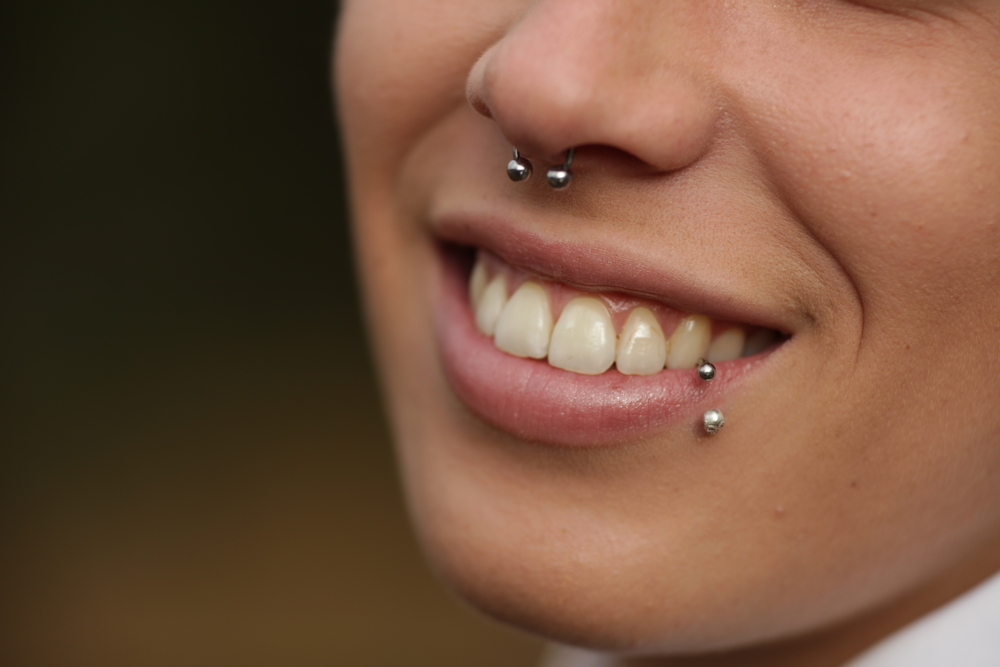
Body piercing is more than just a fashion statement—it is deeply personal and, for many, deeply cultural. Whether it’s a nostril piercing inspired by South Asian traditions, a stretched lobe associated with African heritage, or a septum piercing with Indigenous roots, it’s essential to acknowledge that body modification has a rich, multifaceted history. Yet, navigating a modern piercing studio as someone with ethnic skin or cultural considerations can feel isolating if these concerns are not understood or welcomed.
If you are someone with darker skin tones or from a cultural background where piercings carry special significance, it is crucial to communicate your needs clearly and confidently with your piercer. In this blog, we’ll explore how to approach this conversation and what to look for to ensure your experience is respectful, safe, and empowering.
The Importance of Cultural Identity in Piercing
Cultural identity can play a major role in why, how, and where a person chooses to be pierced. For many ethnic communities, piercings aren’t just decorative—they’re rites of passage, spiritual symbols, or cultural signifiers passed down through generations. However, modern Western piercing studios may not always be sensitive to these nuances.
When discussing a culturally significant piercing, you should feel empowered to educate your piercer about the symbolism and tradition behind it. A respectful and professional piercer should be open to listening and learning. Start by explaining what the piercing means to you personally, and, if relevant, its cultural or religious roots. This helps set the tone for a collaborative rather than transactional relationship.
For instance, if you’re getting a nostril piercing rooted in South Asian tradition, let your piercer know if there’s a specific side it should go on, the type of jewelry typically worn, or ceremonial meaning behind it. If you’re continuing a tradition of lobe stretching found in certain African or Indigenous cultures, mention any specific gauges, materials, or rituals that matter to you.
Why Skin Tone and Type Matters in Piercing
Body piercing for darker skin tones comes with its own set of considerations that not all piercers are trained to understand. Melanin-rich skin can be more prone to keloid scarring, hyperpigmentation, and slower healing if not pierced with care. This is not to say that darker skin should deter anyone from getting pierced—only that it requires a well-informed and tailored approach.
When speaking with your piercer, ask about their experience working with clients of different skin tones and types. A reputable professional will be honest about their knowledge and take the time to ensure they choose the right placement, jewelry, and aftercare plan. For example, titanium jewelry is often a safer choice for minimizing allergic reactions and scarring on sensitive or melanin-rich skin.
Discuss your healing history if applicable. If you’ve had issues with previous piercings, mention whether you’ve experienced keloids or thickened scars. This helps the piercer choose an appropriate needle gauge and piercing depth, as well as provide customized healing tips. If they’re dismissive or vague about piercing concerns for ethnic skin, consider seeking a second opinion from someone with a more inclusive practice.
How to Prepare for a Culturally and Dermatologically Informed Consultation
Preparation is key to making your piercing experience smooth and affirming. Before your appointment, research studios that highlight cultural competence and skin-specific care in their portfolios or reviews. Look for piercers who have explicitly worked with a wide range of clients, particularly those from diverse ethnic backgrounds.
When you arrive, come prepared with questions. Don’t hesitate to ask about their sterilization methods, jewelry materials, and experience with healing darker skin. If you have pictures of culturally traditional piercings, bring them. Visual references are incredibly helpful when conveying expectations and ensuring accuracy.
Ask if they offer jewelry that reflects your cultural heritage. Some piercers collaborate with artisans to create designs that resonate with specific communities. If not, they may allow you to bring your own culturally significant jewelry to be sterilized and used for the procedure.
Be clear about aftercare expectations as well. For instance, melanin-rich skin might respond better to saline rinses over alcohol-based solutions. Scarring can also look different on darker skin tones, so understanding what to expect during the healing process is essential. Make sure your piercer can provide tailored guidance, not just a generic pamphlet.
Navigating Respectful Dialogue: Advocating for Yourself Without Apology
Approaching the conversation with confidence can be daunting, especially if you’re used to professionals minimizing your concerns. But your body, your culture, and your skin all deserve to be treated with informed care and respect. A good piercer should never make you feel like you’re being “difficult” for asking thoughtful questions.
Begin by explaining what you’re hoping for—not just aesthetically, but in terms of health and cultural meaning. For example, you might say: “I’m interested in a nostril piercing, and in my culture, it’s important that it’s done on the left side with a certain type of jewelry. I also have melanin-rich skin and want to make sure the jewelry and placement will reduce risks of keloids.”
This kind of open communication invites collaboration while establishing your boundaries. If your piercer responds with openness and curiosity, you’ve likely found someone worth working with. If they respond with defensiveness or condescension, it’s a sign to find someone better suited to your needs.
Remember, advocating for piercing concerns for ethnic skin is not about asking for special treatment—it’s about ensuring that your unique biology and background are taken into consideration for the best possible outcome. It’s your right as a client.
The Role of Representation and Visibility in the Piercing Industry
Ultimately, the best way to ensure that body piercing for darker skin tones is done with care and respect is to uplift professionals who prioritize inclusion. Representation matters—not just in terms of race or ethnicity, but in how piercers talk about, showcase, and serve diverse communities.
Studios that feature healed piercings on a variety of skin tones, talk openly about their knowledge of keloid prevention, or collaborate with BIPOC artists and clients signal that they take skin-specific and cultural concerns seriously. These are the professionals setting new industry standards.
When you find a piercer who treats you with dignity, share your experience. Leave a review that highlights their skill and cultural sensitivity. Post photos of your healed piercing to show others what’s possible. The more visibility there is for successful, culturally meaningful piercings on darker skin, the more the industry is pushed toward better practices.
There’s a long way to go in dismantling the bias and blind spots that still exist in the body piercing world, but change begins with awareness—and with empowered clients who know their worth.
Conclusion
Your skin tone and cultural heritage are not afterthoughts—they’re essential parts of who you are and should be honored in every body modification you choose. Talk to your piercer with clarity, confidence, and pride. Ask the hard questions. Expect thoughtful answers. Because when your identity is respected, your piercing becomes more than a trend—it becomes a celebration.
Need Custom Tattoos & Piercings Near You?
At Skin Illustrations Tattoo Studio, we’re more than just a tattoo parlor—we’re a creative sanctuary where your ideas, stories, and identity come to life through ink. By offering custom tattoos, an attentive tattoo design process, and a team of passionate tattoo artists, we are proud to deliver exceptional artistry tailored to you. Whether you’re considering floral tattoos, handwriting tattoos, black and gray tattoos, or bold full-color tattoos, reach out to us today and let us help you design something meaningful, lasting, and entirely your own.
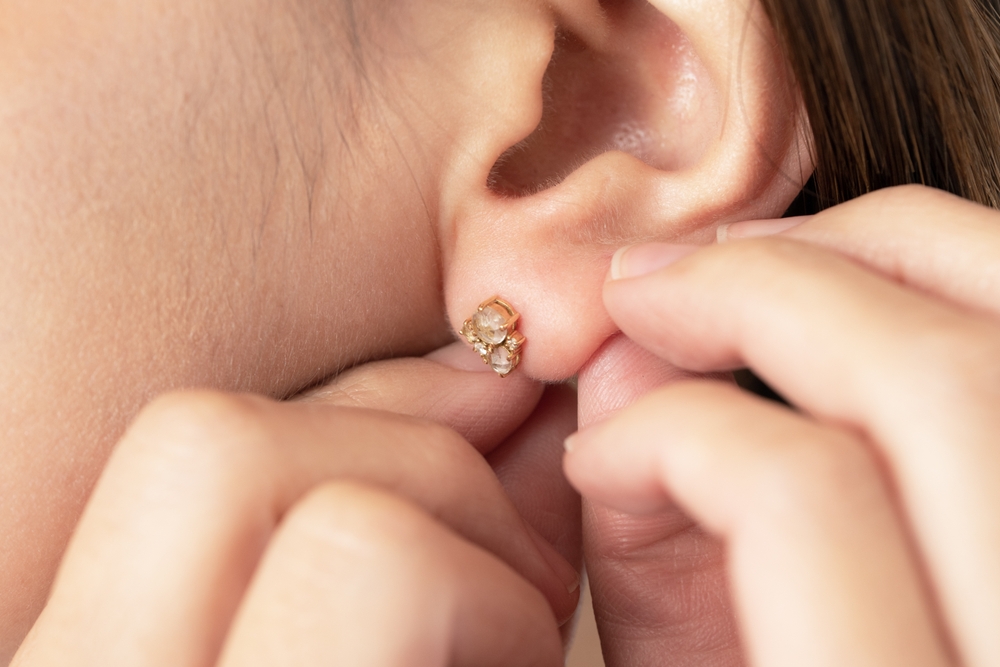
Getting a new piercing is an exciting form of self-expression, but it comes with responsibilities—especially when it comes to aftercare. One of the most common concerns new piercing enthusiasts face is determining whether a piercing is simply irritated or genuinely infected. This distinction is crucial because while irritation is often a normal part of the healing process, infections can pose serious health risks if left untreated. So if you’re asking yourself, “is my piercing infected or irritated?” you’re not alone. Understanding the signs, causes, and solutions for both scenarios will help you navigate the healing process safely and confidently.
Understanding Piercing Irritation
Piercing irritation is extremely common and, in most cases, not a cause for alarm. It can happen at any stage of the healing process, especially within the first few weeks after the piercing is done. Irritation typically results from external factors such as friction, poor-quality jewelry, or minor trauma to the piercing site. Even something as simple as sleeping on your new ear piercing or wearing tight clothing over a fresh belly button ring can trigger irritation.
Symptoms of piercing irritation usually include redness, slight swelling, itching, and sometimes a clear or very light yellow discharge. These symptoms often remain localized around the piercing and don’t spread to surrounding tissue. You may also notice that the skin around the piercing feels warm to the touch or a bit dry and crusty, which is typically part of the normal healing process.
One key characteristic of irritation is its predictability and its correlation with certain actions. For example, if your piercing flares up every time you wear a particular shirt or sleep on a certain side, it’s likely an irritated piercing rather than an infected one. In many cases, reducing contact, switching to hypoallergenic jewelry, or adjusting your cleaning routine can alleviate the symptoms.
Signs Your Piercing May Be Infected
In contrast to irritation, an infected piercing involves the introduction and growth of bacteria or, in rare cases, fungi at the site of the wound. This can occur when the piercing equipment isn’t sterile, aftercare isn’t followed properly, or when bacteria are introduced from unwashed hands, dirty bedding, or swimming in contaminated water. Unlike irritation, infections generally worsen if not treated promptly and can lead to more severe complications like abscesses or systemic infections.
So how can you tell if your concern goes beyond irritation? Symptoms of infection include increasingly intense redness, throbbing pain, significant swelling, and discharge that is thick, dark yellow, green, or even bloody. A foul odor may accompany the discharge, and you may also experience systemic symptoms such as fever or swollen lymph nodes, which are clear indicators your body is fighting off an infection.
One of the critical differences in the piercing irritation vs infection debate lies in the timeline and progression of symptoms. While irritation often plateaus or improves with minor changes in care, infections usually get worse over time. If you notice that the discomfort is intensifying rather than easing up—or if the redness is spreading beyond the piercing site—it’s time to seek professional medical attention.
Causes and Risk Factors
Understanding the root causes behind both irritation and infection can help prevent either from occurring. For irritation, the most common causes include mechanical trauma (like snagging the jewelry on clothing), allergic reactions to materials (especially nickel), and over-cleaning, which can strip the skin of its natural barrier and prolong healing. Improper jewelry sizing—such as posts that are too short or rings that are too tight—can also contribute to pressure and irritation.
Infections, on the other hand, stem from bacterial contamination. Touching your piercing with dirty hands, failing to clean the area regularly, or exposing the site to unhygienic environments (like gyms or pools) increases your risk. New piercings are essentially open wounds, and bacteria can easily exploit the vulnerability if precautions aren’t taken.
Certain people may also be more prone to infections due to weakened immune systems or chronic conditions like diabetes. Smokers, too, may experience slower healing and a higher risk of complications. Recognizing your individual risk factors can guide how meticulous you need to be with aftercare routines and lifestyle choices while your piercing heals.
Managing and Treating Irritation or Infection
Once you’ve identified whether you’re dealing with irritation or infection, the next step is proper treatment. For irritation, the goal is to minimize the cause. Start by ensuring your jewelry is made of biocompatible materials like titanium, surgical steel, or 14k+ gold. Avoid unnecessary movement or pressure on the piercing and clean it gently with saline solution—not alcohol, hydrogen peroxide, or harsh soaps, which can exacerbate irritation.
Over-the-counter anti-inflammatory ointments should generally be avoided unless prescribed, as they can trap bacteria inside the piercing. Instead, opt for consistent but minimal cleaning—usually once or twice a day—combined with efforts to eliminate the source of irritation, such as switching pillowcases more frequently or tying back hair to prevent tugging.
If you’re suspecting an infection, more aggressive intervention may be necessary. In mild cases, increasing saline soaks and eliminating irritants can be enough to curb the infection. However, if symptoms escalate or persist beyond a few days, it’s crucial to consult a medical professional. They may prescribe a topical or oral antibiotic, and in rare cases, they might recommend removing the jewelry, though this is typically avoided to allow for proper drainage.
Never attempt to drain an infected piercing yourself, and don’t rely on home remedies like tea tree oil or apple cider vinegar, as these can cause further irritation or even chemical burns. The safest route is always evidence-based aftercare and, when needed, professional medical guidance.
Preventing Future Complications
Whether you’ve just gotten a piercing or are still recovering from a previous issue, prevention should always be your priority. The healing time for piercings varies widely depending on location—earlobes may take 6–8 weeks, while cartilage or navel piercings can take several months to a year. During this time, your piercing is vulnerable to both irritation and infection.
Always follow your piercer’s aftercare instructions closely, and resist the temptation to switch jewelry too early. Avoid swimming, tanning beds, or high-friction activities until the piercing is well-healed. Sleep on clean bedding, wear loose clothing over body piercings, and be mindful of anything that might snag, tug, or compress your jewelry.
Listen to your body, too. If something feels wrong—even if it doesn’t perfectly match the symptoms of either irritation or infection—it’s worth checking in with your piercer or a healthcare provider. It’s better to be overly cautious than to ignore a problem that could become serious.
Conclusion
When asking “is my piercing infected or irritated,” remember that your body often gives you clear signals. By paying close attention to the symptoms, understanding the causes, and taking prompt action, you can ensure that your piercing journey is a safe and healthy one. Healing a piercing doesn’t have to be stressful when you’re equipped with the right knowledge and care.
Need Custom Tattoos & Piercings Near You?
At Skin Illustrations Tattoo Studio, we’re more than just a tattoo parlor—we’re a creative sanctuary where your ideas, stories, and identity come to life through ink. By offering custom tattoos, an attentive tattoo design process, and a team of passionate tattoo artists, we are proud to deliver exceptional artistry tailored to you. Whether you’re considering floral tattoos, handwriting tattoos, black and gray tattoos, or bold full-color tattoos, reach out to us today and let us help you design something meaningful, lasting, and entirely your own.
Tattoos are deeply personal forms of self-expression, but where you choose to place them can significantly impact your experience and long-term satisfaction. Whether you’re drawn to bold statements or subtle symbols, this tattoo placement guide will help you make an informed decision. Understanding the aesthetics, practicality, and tattoo pain levels by body part can ensure you don’t regret your ink later.
Choosing the Right Placement for Your Tattoo
Tattoo placement is not just about where a design looks best—it’s a combination of factors like your lifestyle, clothing choices, visibility preferences, career considerations, and pain tolerance. Some people opt for highly visible spots like the forearm or neck to express themselves proudly, while others choose discreet areas like the ribs or thighs for a more private tattoo experience. It’s important to consider how the tattoo might stretch or fade over time, depending on your skin and body shape.
Additionally, think about how often the area is exposed to the sun or subject to friction. For example, tattoos on hands or feet might fade more quickly due to frequent washing, sun exposure, and contact with shoes. Placement on flexible or fatty areas like the stomach or upper arms may change in appearance if your body changes. Meanwhile, placement over bony areas like the spine or ankle often results in sharper detail, but may come with increased pain.
Tattoo professionals often advise first-timers to avoid highly visible spots until they’re confident with their choice. Though cultural stigma around tattoos has waned, visibility in professional settings still varies by industry. A well-thought-out placement blends form, function, and individual meaning, creating a piece of art you can proudly carry.
Pros and Cons of Popular Tattoo Placements
Each tattoo placement area offers unique advantages and drawbacks. Let’s break down some of the most common regions people choose.
The forearm is one of the most popular and practical placements. It provides a relatively flat surface for detailed work, low pain levels, and good visibility. It’s also easy to conceal with long sleeves if needed. However, forearms are typically exposed to sunlight, which can fade the ink faster over time.
The upper arm, particularly the outer bicep, offers more discretion. This spot is less exposed and generally considered one of the least painful areas to tattoo. The skin is thick and the muscles provide cushioning. The downside? If you gain or lose muscle mass significantly, the tattoo may distort.
Ribcage tattoos are stunning but notoriously painful. They’re ideal for pieces that are personal or symbolic, given their hidden location. However, the constant movement from breathing and the proximity to bone and thin skin make the rib area especially painful and difficult for both client and artist. Healing can also be a bit more intense, as the ribs are in constant motion.
The back offers a large canvas for detailed and expansive artwork. The upper back, in particular, provides enough room for intricate designs without high exposure to sun or friction. It’s a popular spot for people who want a meaningful piece without always seeing it. The lower back, though once trendy, has become somewhat stigmatized, but it remains a relatively low-pain area. However, back tattoos can be challenging to care for during healing, since you can’t see or easily reach the area.
Thighs and hips have grown in popularity, particularly among those who favor a private but aesthetically pleasing tattoo. These areas provide generous surface space and moderate pain levels. The inner thigh can be more sensitive due to the abundance of nerve endings, while the outer thigh is generally easier to tolerate. Like the ribs, these areas can also be affected by weight changes.
Tattoo Pain Levels by Body Part
Pain is subjective, but there’s a general consensus on which areas hurt more based on skin thickness, nerve endings, and proximity to bone. Tattoo pain levels by body part vary, but understanding where you’re more likely to experience discomfort can help you prepare.
Low-pain areas typically include the outer arm, outer thigh, and calves. These regions have thicker skin, fewer nerve endings, and more muscle or fat. Many people report minimal discomfort during tattoos in these spots, making them great choices for first-timers.
Moderate pain is usually experienced in the shoulders, forearms, upper back, and buttocks. These areas offer a good balance between accessibility, pain tolerance, and healing ease. While some discomfort exists, most people find it manageable.
High-pain zones include ribs, spine, knees, elbows, ankles, and the groin. These areas are close to bone, have thin skin, or are densely packed with nerve endings. The pain can be sharp and even cause involuntary twitches or shaking. The neck and hands also fall into this category due to sensitivity and the lack of muscle or fat padding.
Facial tattoos, including the temple or forehead, are among the most painful and invasive, both physically and socially. The skin is thin, there’s little cushion, and visibility is high—both during the tattooing process and in daily life. Only experienced tattoo clients typically opt for these placements.
Healing time and discomfort after the session can also be influenced by location. Areas that bend frequently—such as the elbows, wrists, and knees—can prolong healing due to skin movement and frequent use. Similarly, tattoos on the feet or ankles can swell due to gravity and restricted blood flow if you’re walking or standing a lot during healing.
Design and Placement Synergy
When selecting where to place your tattoo, consider how well the design complements the contours of the body. A geometric mandala might look symmetrical and striking on the upper back or forearm, while a script tattoo may flow more naturally along the ribs or collarbone. Placement isn’t just a matter of aesthetics—it can greatly impact how the final design is perceived.
For instance, circular designs often look best on broader, flatter areas like the shoulder blade or calf. Long, vertical tattoos might work beautifully along the spine, forearm, or thigh. Meanwhile, organic designs like flowers or animals can be adapted to curve around the hip or shoulder, creating a dynamic visual flow that aligns with your body’s natural shape.
Tattoo artists often provide valuable insight into how a design will interact with the chosen area. For example, they may suggest resizing or reshaping the design to avoid distortion over time or to better match the muscle and skin movement in that region. This is particularly important for placements like the stomach or biceps, which are prone to changes from muscle gain or weight fluctuation.
Some placements naturally highlight movement. A tattoo on the forearm, for example, will twist and turn with your gestures, potentially making it more dynamic. In contrast, a tattoo along the ribs or spine remains more static, which might be ideal for intricate detail.
Balancing Aesthetics, Pain, and Longevity
A tattoo is more than ink on skin—it’s a blend of art, emotion, and the human body’s physical realities. The best tattoo placement for you depends on your personal style, lifestyle, pain tolerance, and long-term intentions. While it’s easy to get caught up in the look of a design, factoring in the tattoo pain levels by body part and practical implications of placement will save you discomfort and regret down the line.
If you’re unsure, consult with a professional artist. Many tattoo studios offer design consultations that can help you visualize the piece on different parts of your body using digital tools or temporary stencils. Remember, your body is the canvas. Choosing the right placement is just as important as the design itself.
Think carefully about how visible you want your tattoo to be, how much pain you’re willing to endure, and how the location might affect the tattoo’s longevity. Avoid rushing into visible or high-pain areas for your first tattoo. Instead, use this tattoo placement guide to balance boldness with foresight.
Ultimately, the perfect placement is one that brings your design to life while fitting seamlessly into your lifestyle. When done thoughtfully, your tattoo will become a permanent, beautiful part of your identity—exactly where it’s meant to be.
Need Custom Tattoos Near You?
At Skin Illustrations Tattoo Studio, we’re more than just a tattoo parlor—we’re a creative sanctuary where your ideas, stories, and identity come to life through ink. By offering custom tattoos, an attentive tattoo design process, and a team of passionate tattoo artists, we are proud to deliver exceptional artistry tailored to you. Whether you’re considering floral tattoos, handwriting tattoos, black and gray tattoos, or bold full-color tattoos, reach out to us today and let us help you design something meaningful, lasting, and entirely your own.
Body piercings have long been a powerful form of self-expression, but the process doesn’t end when you leave the piercing studio. Proper healing and aftercare are essential to avoid infection, preserve aesthetics, and ensure the longevity of your new adornment. Whether it’s your first or your tenth, understanding piercing healing time and following effective piercing aftercare tips can make the difference between a smooth recovery and a painful ordeal.
Understanding the Piercing Healing Process
Each piercing type heals at a different rate, influenced by the location on the body, the thickness of the tissue, and your individual immune response. Broadly speaking, healing happens in three phases: the inflammatory phase, the proliferative phase, and the maturation or remodeling phase. During the inflammatory phase, which lasts a few days to a week, the body treats the piercing like a wound and begins cleaning it. Swelling, redness, and tenderness are common during this stage. The proliferative phase, which can span several weeks, is when new tissue begins to grow. This is a vulnerable time when the area looks better on the outside but remains sensitive inside. Finally, during the maturation phase, which can last months or even a year, the tissue strengthens and stabilizes.
The piercing healing time varies significantly depending on the location. For example, earlobes generally take 6–8 weeks, while cartilage piercings, such as the helix or tragus, often require 4–12 months. Nose piercings might heal in 2–4 months, while belly button piercings can take 6 months to a year. Genital and oral piercings, like tongue or lip piercings, often heal more quickly due to the high vascularity of those areas but require diligent care to prevent infection.
Factors That Affect Piercing Healing Time
While general timelines offer a ballpark estimate, healing is ultimately unique to each person. Several factors can lengthen or shorten the piercing healing time. First, your overall health plays a critical role. People with robust immune systems and healthy skin tend to heal faster than those with underlying conditions like diabetes or anemia. Nutrition, hydration, and rest also significantly affect recovery.
The experience and technique of your piercer are just as important. A professional piercer will use sterilized equipment, ensure the proper angle and depth, and provide high-quality jewelry made from hypoallergenic materials such as titanium or surgical steel. Poor technique or low-quality jewelry can result in misalignment, allergic reactions, or migration.
Environmental factors also contribute to healing time. Constant exposure to friction, moisture, or bacteria—such as from dirty hands, makeup, headphones, or tight clothing—can delay the process. Additionally, failing to follow a consistent aftercare regimen may lead to complications like infection, hypertrophic scarring, or even rejection of the jewelry.
Essential Piercing Aftercare Tips
Proper aftercare is the foundation of a successful healing journey. The first and most important rule is cleanliness. Always wash your hands thoroughly before touching your piercing. Use a sterile saline solution—preferably pre-made or prescribed by your piercer—to clean the area twice daily. Avoid using harsh antiseptics like alcohol, hydrogen peroxide, or iodine, as these can damage healing tissue and prolong recovery.
During the initial healing period, avoid removing or rotating the jewelry. Although it might seem logical to twist or move it to prevent sticking, this can actually irritate the tissue and introduce bacteria. Let the jewelry stay in place, and resist the urge to touch or fiddle with it.
Be cautious with your environment. Avoid swimming in pools, hot tubs, lakes, or oceans until the piercing is fully healed, as these waters can harbor harmful bacteria. If showering, allow clean water to rinse the piercing gently, but avoid using shampoos, conditioners, or soaps directly on the site.
Try not to sleep on or put pressure on your new piercing, especially for cartilage or facial piercings. Use travel pillows or special ear pillows if needed. Also, keep hair, scarves, hats, and makeup away from the area. Be mindful during activities like putting on clothes, wearing headphones, or engaging in contact sports, as sudden movement can cause trauma.
If you notice signs of infection—such as increasing redness, swelling, warmth, pain, pus, or fever—consult a professional piercer or healthcare provider. Do not attempt to treat serious infections yourself, and never remove jewelry during an infection, as this can trap bacteria inside and worsen the issue.
Long-Term Maintenance and Troubleshooting
Once your piercing is healed, it’s still important to maintain it. Regular cleaning—even once or twice a week with saline—is beneficial, especially for cartilage and navel piercings that may trap dead skin or sebum. Change your jewelry only after the full healing period and ensure that the new jewelry is sterilized and suitable for long-term wear.
One common issue is hypertrophic scarring, which appears as a small bump near the piercing site. This is often the result of trauma, pressure, or poor aftercare. While not dangerous, these bumps can be unsightly and frustrating. Treatments may include saline soaks, chamomile compresses, or silicone scar sheets, but it’s best to consult your piercer before trying any remedies.
Another issue is piercing migration or rejection, where the body pushes the jewelry out. This usually happens when the jewelry is too thin, the piercing is placed improperly, or the body reacts strongly against the foreign object. If you notice the jewelry moving closer to the surface, see a piercer immediately. In many cases, removing the jewelry early can prevent long-term scarring.
Keloids, while rarer, are more severe and involve aggressive overgrowth of scar tissue. People with a family history of keloids are more at risk. If you suspect a keloid, avoid irritating the area further and seek medical advice.
It’s also wise to check jewelry regularly for tightness and damage. Threaded ends, hinges, or clasps can loosen or wear down over time. Regular maintenance ensures your piercing remains both safe and stylish.
Knowing When to Seek Help and What to Expect
Even with the best aftercare, complications can arise. Knowing the difference between normal healing and a problem is crucial. It’s normal for a new piercing to be slightly red, swollen, and tender for a few days or even weeks, depending on the location. You might also notice a clear or pale yellow fluid that dries into a crust—this is lymph, not pus, and is part of the natural healing process.
However, if symptoms worsen instead of improving, this could be a sign of trouble. Increased redness, hot skin, throbbing pain, green or foul-smelling discharge, or a fever may indicate infection. In these cases, professional intervention is necessary. A licensed piercer can help you determine the best next steps and may refer you to a doctor if antibiotics are required.
In rare cases, piercings may cause allergic reactions to metals such as nickel. Itching, rash, or persistent irritation could be signs of a reaction. Switching to hypoallergenic materials like titanium or niobium often resolves the issue. Always inform your piercer of any known allergies before the procedure.
It’s also helpful to set realistic expectations. Healing is not always linear. Some days may feel more uncomfortable than others, and you might experience flare-ups due to stress, illness, or environmental changes. This doesn’t necessarily mean something is wrong, but it does require patience and consistent care.
Trust your body and stay observant. Follow the advice of your piercer, use quality products, and listen to any signals your piercing sends you. Healing may take time, but with commitment and knowledge, you’ll enjoy your body art for years to come.
Conclusion
Understanding piercing healing time and adhering to effective piercing aftercare tips ensures a healthy, smooth recovery. While healing durations vary widely, proper hygiene, quality jewelry, and vigilance make all the difference. Treat your piercing as a partnership between art and biology—one that, when cared for, becomes a permanent expression of your individuality.
Need Custom Tattoos Near You?
At Skin Illustrations Tattoo Studio, we’re more than just a tattoo parlor—we’re a creative sanctuary where your ideas, stories, and identity come to life through ink. By offering custom tattoos, an attentive tattoo design process, and a team of passionate tattoo artists, we are proud to deliver exceptional artistry tailored to you. Whether you’re considering floral tattoos, handwriting tattoos, black and gray tattoos, or bold full-color tattoos, reach out to us today and let us help you design something meaningful, lasting, and entirely your own.