
Sometimes, a tattoo that once had deep meaning or personal significance no longer fits who you are today. Maybe the design has faded, the art did not turn out as expected, or your tastes have simply changed over time. Whatever the reason, a cover-up tattoo can give you a fresh start. At Skin Illustrations-Tattoos, we
READ MOREAuthor: admin
How to Maintain Your Tattoos and Piercings Year-Round
Your tattoos and piercings are more than just body art. They are personal expressions of your story, your personality, and your creativity. Once you invest in high-quality work, it is important to protect it with the right care so it stays as beautiful and healthy as the day you got it. At Skin Illustrations-Tattoos, we
READ MOREUnique Tattoo Ideas That Reflect Your Personality
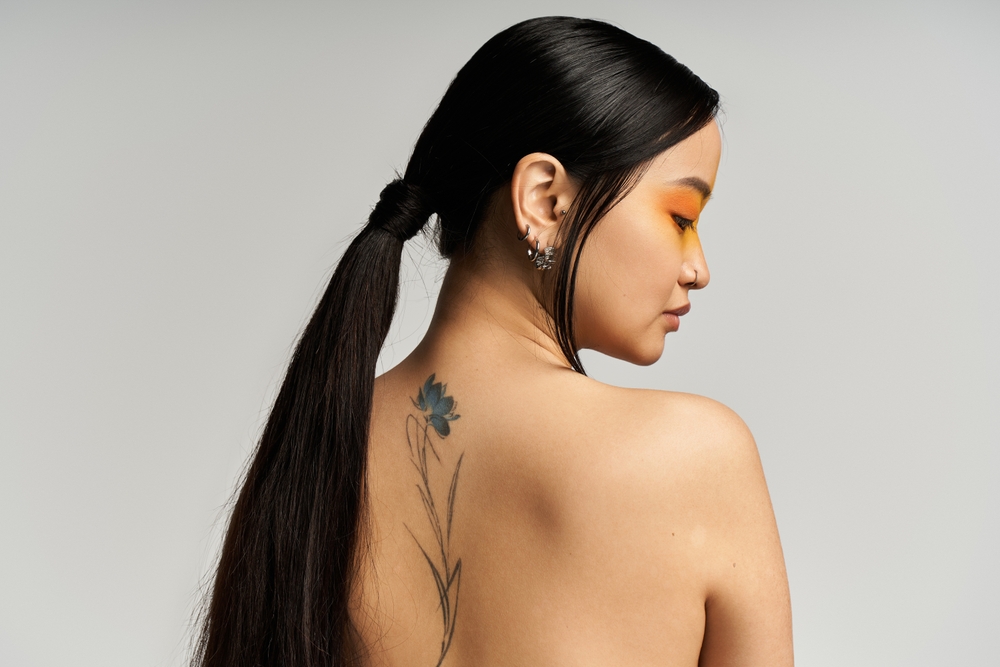
Tattoos have evolved far beyond mere designs on skin. Today, they are an intimate expression of identity, deeply tied to personality, values, and life experiences. For many people, finding unique tattoo ideas that capture their essence is about more than just aesthetics. It is about choosing artwork that feels authentic, tells a story, and becomes
READ MORETattoo Myths Debunked: What Every First-Timer Should Know

Getting your first tattoo is a big decision, and for many people, it comes with a mix of excitement and nervousness. You may have heard countless stories from friends, read heated debates online, or stumbled across questionable tips on social media. The truth is, tattoo culture is often surrounded by misinformation that can make beginners
READ MOREWhat Type of Jewelry Is Best for A First Piercing?
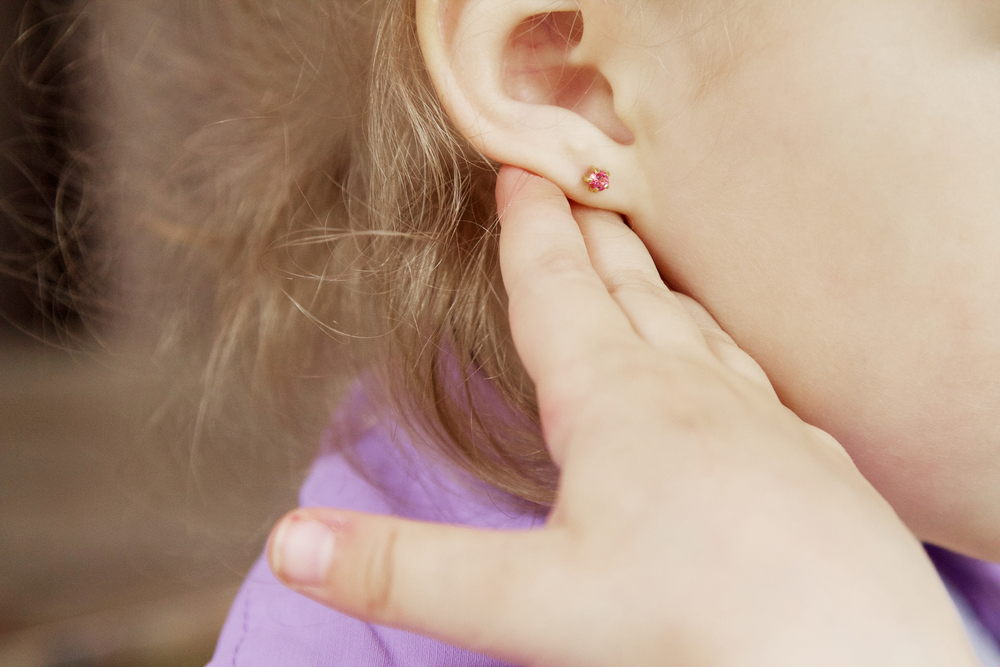
Choosing the right jewelry for your first piercing is one of the most important decisions you’ll make when starting your body modification journey. A first piercing isn’t just about aesthetics—it’s also about safety, comfort, and long-term healing. The material, style, and size of your starter jewelry can all affect how well your piercing heals and
READ MORE
Sometimes, a tattoo that once had deep meaning or personal significance no longer fits who you are today. Maybe the design has faded, the art did not turn out as expected, or your tastes have simply changed over time. Whatever the reason, a cover-up tattoo can give you a fresh start.
At Skin Illustrations-Tattoos, we specialize in helping clients rediscover confidence in their body art. Our artists are experienced in transforming old tattoos into bold, beautiful designs that reflect your current style and story. Whether you want to refresh a faded design or completely reinvent an older piece, a skillfully executed cover-up can turn regret into pride.
Here is everything you need to know about tattoo cover-up ideas, how the process works, and what to expect when starting your own transformation.
What Is a Cover-Up Tattoo?
A cover-up tattoo is exactly what it sounds like: new artwork applied over an existing tattoo to hide or replace it. However, it is more than just layering new ink on top of old. A well-planned cover-up uses design, shading, and color theory to disguise the original piece completely while creating something new and visually striking.
The process involves assessing the old tattoo’s size, color, and placement. The artist then develops a design that uses darker tones, texture, and creative composition to blend and conceal the old work seamlessly. With the right approach, you can walk away with a tattoo that feels brand-new and authentically you.
When to Consider a Tattoo Cover-Up
There are many reasons people decide to get a cover-up. Here are some of the most common:
-
Outdated artwork: Styles evolve, and what was trendy 10 years ago may not fit your taste now.
-
Faded ink: Over time, exposure to sunlight and aging skin can cause tattoos to lose vibrancy.
-
Poor quality work: If the original artist lacked experience, you might want to upgrade to a more polished, professional design.
-
Personal changes: Sometimes, tattoos tied to past relationships or phases of life no longer hold the same meaning.
-
Improved technology and artistry: Today’s tattoo techniques and pigments allow for much more creative and detailed work than in the past.
Whatever your motivation, transforming old tattoos through a cover-up can be a rewarding way to reclaim your skin and express who you are today.
The Art Behind a Successful Cover-Up
Not every tattoo artist has the experience needed to perform a quality cover-up. It takes deep knowledge of color theory, skin tones, and artistic composition. At Skin Illustrations-Tattoos, our artists are experts at visual problem-solving and design adaptation.
Here is what goes into creating a great cover-up:
1. Understanding the Existing Tattoo
Before beginning, the artist studies your old tattoo carefully. Factors such as ink color, placement, and how deep the ink sits in the skin all influence what is possible. Black and dark colors are the hardest to conceal, while lighter shades are easier to work over.
2. Choosing the Right Design
The key to a successful cover-up is choosing a design that naturally incorporates the original tattoo’s shape and shading. For example, if the old tattoo has a dark circular area, the new design might include a flower center, a sun, or another rounded element that makes sense within the composition.
3. Using Strategic Shading and Color
Experienced artists use shading, gradients, and contrast to draw the eye away from the old tattoo. Darker areas hide the original ink, while lighter tones and highlights add depth and realism. Modern pigments are highly opaque, allowing for more vibrant and effective coverage.
4. Blending, Not Just Hiding
A cover-up should feel cohesive, not forced. Rather than simply masking the old tattoo, a great artist blends it into the new design so that no one can tell where the old art ends and the new begins.
Our artists at Skin Illustrations-Tattoos approach every cover-up like a creative challenge, turning an old mistake into a piece of art you can be proud of.
Popular Tattoo Cover-Up Ideas
When it comes to tattoo cover-up ideas, creativity is endless. The design you choose depends on your personal style, the size of your existing tattoo, and how much coverage you need. Here are some of the most popular approaches our clients love:
1. Floral Designs
Floral tattoos are versatile and beautiful, making them ideal for covering older pieces. Roses, peonies, and cherry blossoms can be used to conceal lettering or faded images. With layered petals and intricate shading, flowers offer plenty of opportunities to hide old lines.
2. Nature and Wildlife Themes
Trees, birds, mountains, and animals can make excellent cover-ups because they allow for organic shapes and flowing movement. The natural patterns can easily disguise older outlines or uneven shading.
3. Mandalas and Geometric Patterns
Mandalas, geometric patterns, and tribal-inspired designs are popular choices for their symmetry and complexity. The dense details make them perfect for hiding past ink while adding a modern and meaningful touch.
4. Blackwork and Illustrative Art
For very dark or large tattoos, blackwork or illustrative shading can create a bold, striking new design. This approach can turn a previously heavy piece into a work of art with contrast, texture, and intention.
5. Colorful Transformations
Sometimes, the best way to reinvent an old tattoo is through bright, vivid color. By introducing new pigments, you can redirect attention from the old ink to fresh, eye-catching details.
The artists at Skin Illustrations-Tattoos specialize in customizing every cover-up. We work closely with you to develop a design that matches your vision while effectively concealing the original tattoo.
The Cover-Up Process: What to Expect
Getting a cover-up tattoo follows a similar process to getting a new one, but with a few extra steps to ensure success.
Step 1: Consultation
During your consultation, you and your artist will discuss what you want to change, your style preferences, and how to best approach the cover-up. You will also talk about the size, placement, and color palette.
Your artist may take photos and sketch potential designs to show how the new tattoo will integrate with the old one. This planning stage is crucial to achieving a seamless result.
Step 2: Design and Approval
Once you and your artist agree on a design, you will review a detailed mockup. The artist will explain how the new ink will interact with the old tattoo and which areas may need darker coverage.
Step 3: Tattoo Application
When it is time for the tattooing session, the artist will carefully apply the new design, using techniques that layer color and shading strategically. Depending on the size and complexity of the piece, multiple sessions may be needed for complete coverage.
Step 4: Healing and Aftercare
Cover-ups heal like any other tattoo, but because there is already ink in the skin, the healing process may take slightly longer. Follow your artist’s aftercare instructions carefully, keeping the area clean, moisturized, and protected from the sun.
The healing phase is when your new design truly settles in, revealing your fresh start.
When a Cover-Up Might Not Be Enough
In some cases, a tattoo may be too dark or heavily scarred for a traditional cover-up. If that happens, your artist might recommend a short series of laser treatments to lighten the old ink before applying the new design.
Lightening the existing tattoo gives your artist more creative freedom and ensures the best possible outcome. The combination of partial laser removal and a well-planned cover-up often produces stunning results.
Tips for a Successful Cover-Up
If you are considering transforming old tattoos, keep these tips in mind for the best experience:
-
Be flexible with design ideas. Your artist will know what works best for effective coverage.
-
Choose an experienced artist. Not all tattooists specialize in cover-ups. Pick someone with proven results.
-
Go larger if needed. Cover-ups often need to be slightly bigger than the original design to fully hide it.
-
Commit to proper aftercare. Healing correctly ensures the best long-term color and clarity.
-
Communicate openly. Discuss your expectations and trust your artist’s expertise.
At Skin Illustrations-Tattoos, we take pride in walking clients through every step, from brainstorming ideas to seeing the final masterpiece.
Transforming Old Tattoos into New Art
A cover-up tattoo is more than just a correction. It is an opportunity to create something meaningful and inspiring from what came before. Whether you want to replace a small faded design or completely reimagine a large piece, Skin Illustrations-Tattoos is here to help you start fresh.
Our team combines technical skill with artistic passion, ensuring that every transformation reflects who you are today. We love seeing the look of confidence and excitement on our clients’ faces when they finally replace old ink with something that feels right.
If you are ready to explore tattoo cover-up ideas or learn more about transforming old tattoos, contact Skin Illustrations-Tattoos today. Our knowledgeable, upbeat artists will help you design something that honors your past while celebrating your future.
Your next chapter of body art begins with us. Let’s turn that old tattoo into a brand-new masterpiece you will love for years to come.

Your tattoos and piercings are more than just body art. They are personal expressions of your story, your personality, and your creativity. Once you invest in high-quality work, it is important to protect it with the right care so it stays as beautiful and healthy as the day you got it.
At Skin Illustrations-Tattoos, we believe that proper aftercare does not end when you leave the studio. Taking care of your tattoos and piercings year-round keeps them vibrant, healthy, and long-lasting. Whether it is summer sun or winter dryness, every season presents new challenges for your skin and body art.
That is why we have created this year-round tattoo care guide to help you understand how to maintain both tattoos and piercings, no matter the time of year.
Why Year-Round Care Matters
Many people follow their artist’s aftercare instructions right after getting a tattoo or piercing, but then let those habits fade over time. However, skin and body modifications are living art. The way your skin heals, hydrates, and reacts to environmental factors has a direct impact on how your tattoos and piercings look months and years later.
Just as your hair or nails need consistent maintenance, your tattoos and piercings need regular attention too. Proper care ensures:
-
Tattoos retain their color and detail.
-
Piercings heal correctly and stay free from infection.
-
Your skin remains hydrated and healthy.
-
You avoid irritation caused by sun, sweat, and dryness.
Think of this year-round tattoo care guide as your manual for protecting your investment and keeping your art looking its best through every season.
Tattoo Maintenance Basics
Before we get into seasonal care, it helps to understand the basics of keeping tattoos vibrant all year long.
1. Keep Your Skin Hydrated
Healthy, hydrated skin is the foundation of vibrant tattoos. Dry or flaky skin can make even the boldest ink look dull and faded. Use a fragrance-free moisturizer daily to keep your skin soft and supple. Look for products with natural ingredients such as aloe vera, shea butter, or coconut oil.
Applying lotion after a shower helps lock in moisture. If your skin tends to dry out quickly, keep a small travel-sized moisturizer handy to reapply as needed.
2. Avoid Excessive Sun Exposure
The sun is one of the biggest enemies of tattoo vibrancy. Ultraviolet (UV) rays can cause ink to fade and blur over time. Always apply sunscreen with SPF 30 or higher to your tattoos before heading outside. For extra protection, cover your tattoos with clothing or stay in the shade during peak sunlight hours.
Even during cloudy days or cooler seasons, UV exposure can still damage your ink. Sun protection should be a year-round habit.
3. Stay Hydrated from the Inside Out
Drinking enough water benefits your skin, your health, and your tattoos. Hydrated skin heals faster, retains elasticity, and helps color stay rich and defined. Aim for at least eight glasses of water per day, and more during hot or dry weather.
4. Regularly Exfoliate Gently
Dead skin buildup can dull the appearance of tattoos. Gently exfoliate your skin once or twice a week using a mild scrub or washcloth. This helps remove dead cells and allows new, healthy skin to shine through. Avoid over-scrubbing, which can irritate the skin and affect the tattoo’s texture.
5. Avoid Harsh Chemicals and Fragrances
Perfumed lotions, strong soaps, and alcohol-based products can irritate skin and dry out tattoos. Choose mild, fragrance-free products to clean and moisturize your skin. This is especially important during the healing phase, but remains beneficial long after your tattoo has healed.
Seasonal Tattoo Care Tips
Each season brings unique challenges for your skin and tattoos. Here is how to adjust your care routine throughout the year to ensure you are always keeping tattoos vibrant and healthy.
Spring
Spring weather can bring fluctuating temperatures and increased humidity. After months of winter dryness, your skin may need extra attention.
-
Exfoliate gently to remove dead skin from the colder months.
-
Moisturize daily to help your skin adjust to changing conditions.
-
Start applying sunscreen again if you have not been using it regularly during winter.
If you plan to get a new tattoo or piercing, spring is a great time. The moderate temperatures make it easier to heal without the extremes of summer heat or winter cold.
Summer
Summer is the season when your tattoos are most at risk. Between sunlight, swimming, and sweat, your skin goes through a lot.
-
Always apply sunscreen on your tattoos before heading outdoors. Reapply every two hours if you are swimming or sweating.
-
Avoid swimming in pools, lakes, or the ocean until new tattoos or piercings are fully healed. Chlorine and saltwater can irritate open skin and increase infection risk.
-
Stay hydrated to help your skin recover from sun exposure.
-
Shower after outdoor activities to remove sweat, sunscreen residue, and bacteria that can irritate skin.
Summer is also a great time to book touch-ups if you notice any fading. The artists at Skin Illustrations-Tattoos can restore your ink’s brightness and crispness.
Fall
As temperatures drop, your skin starts to dry out again. The transition from humid to cooler air can make tattoos appear dull.
-
Increase your moisturizing routine to combat dryness.
-
Use thicker lotions or balms that offer longer-lasting hydration.
-
Continue sun protection since UV rays remain strong even when it is cooler.
Fall is also a good time for piercings, since sweat and swimming are less of a concern. Just be sure to wear clean, breathable clothing to avoid irritation.
Winter
Cold weather, indoor heating, and low humidity can be tough on both tattoos and piercings. Winter dryness can cause itching and flaking that dulls tattoo colors and irritates pierced skin.
-
Use a humidifier at home to add moisture to the air.
-
Moisturize more frequently, especially after showers or before bed.
-
Avoid long, hot showers, which strip your skin of natural oils.
-
Wear soft fabrics that do not rub against tattoos or new piercings.
Even though you might be covered up during the winter, your tattoos still need care to stay bright and healthy.
Piercing Care and Maintenance
While tattoo care focuses on keeping skin and ink vibrant, piercings require attention to hygiene and healing. Proper cleaning and maintenance prevent infection and irritation.
1. Keep Piercings Clean
Clean your piercings twice a day with a saline solution or a piercing aftercare spray. Avoid alcohol or hydrogen peroxide, which can dry out and damage healing tissue. Always wash your hands before touching your piercing.
2. Avoid Twisting or Removing Jewelry Too Soon
It can be tempting to twist or adjust your jewelry, but this can delay healing. Leave your jewelry in place until your piercer confirms it is safe to remove or change it. Premature removal can cause the hole to close or trap bacteria.
3. Watch for Signs of Irritation or Infection
Mild redness or swelling is normal for new piercings, but prolonged pain, discharge, or heat around the area could signal infection. If you suspect a problem, contact Skin Illustrations-Tattoos or your piercer right away for guidance.
4. Avoid Sleeping on Fresh Piercings
Pressure from pillows can irritate new piercings and slow healing. Try to sleep on your back or use a travel pillow for extra support while your piercing heals.
5. Keep Jewelry Clean Year-Round
Even after healing, clean your jewelry regularly with mild soap and water. This helps remove buildup and keeps both your skin and jewelry looking great.
Professional Touch-Ups and Checkups
Even with excellent care, tattoos and piercings can change over time. Touch-ups are a natural part of keeping tattoos vibrant and ensuring your art looks its best for years to come.
At Skin Illustrations-Tattoos, our artists are always happy to provide touch-ups or assess any concerns you might have about color fading, scarring, or uneven healing. We also offer guidance on choosing products that protect your body art and keep it looking fresh.
Regular visits to your tattoo or piercing professional help you catch small issues before they turn into bigger ones.
Long-Term Habits for Healthy Skin and Art
Ultimately, tattoos and piercings are part of your body, so taking care of them means taking care of yourself. A healthy lifestyle benefits your skin, healing process, and long-term appearance.
-
Eat a balanced diet rich in vitamins and hydration-supporting foods.
-
Avoid smoking, which can dull skin and slow healing.
-
Exercise regularly to promote good circulation and healthy skin.
-
Get enough rest to allow your body to repair and rejuvenate naturally.
When you care for your skin, you also care for your art.
Keep Your Art Alive with Skin Illustrations-Tattoos
Tattoos and piercings are lifelong investments in self-expression. With consistent care and a few mindful habits, you can preserve their color, detail, and health for years to come.
If you ever have questions about aftercare or notice changes in your tattoos or piercings, the experienced team at Skin Illustrations-Tattoos is always here to help. Our artists and piercers are dedicated to providing not only exceptional work but also the knowledge you need to care for it properly.
Let this year-round tattoo care guide remind you that maintenance is not just about looks: it’s about protecting your art, your health, and your confidence. Visit Skin Illustrations-Tattoos today to speak with our team, schedule a touch-up, or get personalized advice for keeping tattoos vibrant and piercings healthy all year long.
Tattoos have evolved far beyond mere designs on skin. Today, they are an intimate expression of identity, deeply tied to personality, values, and life experiences. For many people, finding unique tattoo ideas that capture their essence is about more than just aesthetics. It is about choosing artwork that feels authentic, tells a story, and becomes a permanent reflection of who they are. Whether you are drawn to minimalism, cultural symbols, or highly detailed art, there is a way to make tattoos that reflect personality feel deeply personal and entirely one-of-a-kind.
In this blog, we will explore unique tattoo ideas that not only highlight creativity but also provide a direct connection to the traits and passions that define you.
Minimalist Tattoos With Deep Meaning
Minimalist tattoos are perfect for individuals who prefer subtlety and elegance. These tattoos often use fine lines, small designs, and negative space to convey meaning in the simplest way possible. A single line forming a mountain range may represent resilience and adventure. A delicate wave can symbolize adaptability or calmness. Even a small geometric symbol like a triangle or circle can hold spiritual, personal, or cultural meaning depending on how you interpret it.
What makes minimalist tattoos especially powerful is how they leave room for personal interpretation. Someone looking at your ink may see a beautiful design, but for you, it can signify a pivotal moment in life or a guiding principle. Minimal tattoos are also versatile, allowing you to place them in discreet areas like the wrist, behind the ear, or on the ankle. For people who value subtle expressions of personality, these understated designs can serve as constant reminders of inner strength, aspirations, or life philosophies.
Minimalist tattoos prove that you do not need bold colors or complex imagery to make a statement. Instead, they highlight the beauty of simplicity and allow personality to shine through in a quiet but powerful way.
Nature-Inspired Tattoos That Speak to Your Spirit
Nature-inspired tattoos are ideal for individuals who feel a deep connection with the earth, animals, or natural elements. From majestic landscapes to detailed depictions of flora and fauna, these tattoos often symbolize growth, harmony, or the cycles of life. A tree design, for instance, might reflect strength, roots, and personal grounding. Birds in flight could symbolize freedom or the pursuit of dreams, while a wolf may represent loyalty and instinct.
Water-themed tattoos, such as waves, rivers, or koi fish, often signify adaptability and emotional depth. On the other hand, sun and moon tattoos can illustrate balance, duality, or spiritual awareness. Each natural symbol can be tailored to match your personality traits. For example, if you are adventurous and love exploring the outdoors, a mountain scene with a hiker silhouette can embody your wanderlust. If you are nurturing and grounded, flowers like lotus or dandelions can carry spiritual and emotional significance.
Nature-based designs also provide endless possibilities for artistic interpretation. Realistic shading, watercolor effects, or stylized outlines all create unique tattoo ideas that feel fresh and personal. Choosing natural imagery is a timeless way to carry your connection to the world with you wherever you go.
Cultural and Symbolic Tattoos That Honor Identity
Cultural and symbolic tattoos often carry the heaviest weight of meaning. These designs celebrate heritage, ancestry, or belief systems, allowing you to keep your roots close to you at all times. Whether it is Polynesian tribal designs, Celtic knots, Japanese kanji, or Indigenous artwork, these tattoos become both an artistic statement and a personal tribute.
For people deeply connected to their traditions, tattoos that reflect personality through cultural storytelling feel authentic and powerful. A tribal sleeve, for example, may embody protection, bravery, or family ties. A sacred mandala might signify spiritual growth and inner balance. Even symbolic animals, like dragons or phoenixes, often have cultural significance tied to myths and legends.
Modern tattoo artists can combine cultural heritage with contemporary artistry, creating one-of-a-kind designs that honor history while reflecting your individuality. For example, mixing traditional motifs with abstract or minimalist styles results in tattoos that are both recognizable and distinctly personal.
It is important to approach cultural tattoos with respect, ensuring that the design chosen has direct meaning for you or aligns with your heritage. These tattoos often serve as lifelong reminders of where you come from, what you value, and the traditions that shape your personality.
Artistic Tattoos That Showcase Creativity
For those with a passion for art and originality, tattoos can serve as a personal canvas for creativity. Abstract patterns, surrealist imagery, or even tattoos that replicate famous paintings allow you to express your artistic side. These designs are especially appealing for people who view life as a form of art, constantly shaped by imagination and self-expression.
Artistic tattoos can be highly experimental, blending multiple styles to form something unique. A watercolor effect combined with fine line work might produce a strikingly colorful yet delicate piece. Abstract splashes of ink can symbolize freedom and unpredictability, while surreal designs like floating clocks or dreamlike landscapes represent deeper thoughts or philosophies.
These tattoos work best for individuals who want to stand out and embrace their unconventional personality traits. They can also reflect your admiration for a particular art style or artist, creating a wearable tribute. By collaborating closely with a skilled tattoo artist, you can transform your vision into a distinctive design that mirrors your inner creativity.
What makes artistic tattoos truly special is that no two pieces are alike. Each tattoo becomes a living piece of art, crafted not just for your body but also for your unique personality and outlook on life.
Tattoos Inspired by Life Experiences and Personal Stories
One of the most meaningful approaches to tattoos that reflect personality is drawing inspiration from personal life experiences. These tattoos act as milestones, capturing moments, achievements, or challenges that have shaped you. For example, a tattoo of coordinates may mark the place where something life-changing happened, such as where you were born, where you met your partner, or where you achieved a dream.
Some people choose tattoos to honor loved ones. Portraits, initials, or symbols that remind you of someone special can provide lasting comfort and connection. Others mark important achievements with visual representations, like a marathon runner tattooing their race number or a graduate choosing a book symbol.
These tattoos not only reflect individuality but also become an evolving diary on the skin. They allow you to revisit and celebrate chapters of your life every time you look at them. Life-inspired tattoos are powerful because they are impossible to replicate in the same way for someone else. Each design tells a unique story, cementing its authenticity as part of your personal journey.
The emotional weight behind tattoos inspired by personal stories ensures they always hold relevance. Unlike trends that may fade, these tattoos grow in meaning as you move forward in life, keeping your memories and values permanently close to you.
Conclusion
Tattoos are more than decorative art. They are living symbols of personality, identity, and life stories. By seeking unique tattoo ideas, you can ensure that the design you choose reflects not just outward style but also inner truth. Whether you prefer minimalist elegance, nature’s symbolism, cultural heritage, artistic experimentation, or deeply personal stories, tattoos can act as powerful extensions of who you are.
The key to tattoos that reflect personality lies in authenticity. Choosing a design that resonates with your beliefs, passions, or experiences ensures that your tattoo will remain meaningful for years to come. When inked thoughtfully, tattoos become more than skin-deep decorations. They transform into timeless companions, silently telling your story to the world while reminding you of the person you strive to be.
Need Custom Tattoos & Piercings Near You?
At Skin Illustrations Tattoo Studio, we’re more than just a tattoo parlor—we’re a creative sanctuary where your ideas, stories, and identity come to life through ink. By offering custom tattoos, an attentive tattoo design process, and a team of passionate tattoo artists, we are proud to deliver exceptional artistry tailored to you. Whether you’re considering floral tattoos, handwriting tattoos, black and gray tattoos, or bold full-color tattoos, reach out to us today and let us help you design something meaningful, lasting, and entirely your own.
Getting your first tattoo is a big decision, and for many people, it comes with a mix of excitement and nervousness. You may have heard countless stories from friends, read heated debates online, or stumbled across questionable tips on social media. The truth is, tattoo culture is often surrounded by misinformation that can make beginners second-guess themselves. That is why it is essential to separate fact from fiction before you commit to getting inked.
In this article, we will debunk some of the most common tattoo myths and provide beginner tattoo advice to help you feel confident and informed before stepping into the studio.
Myth 1: Tattoos Are Always Extremely Painful
One of the most widespread tattoo myths is that the experience is unbearably painful. While it is true that tattoos involve some level of discomfort, the intensity varies greatly depending on the individual’s pain tolerance, the tattoo’s placement, and even the artist’s technique.
Areas with more flesh, such as the thigh or upper arm, tend to be less painful than bony or sensitive spots like the ribs, ankles, or hands. Some people describe the sensation as a mild scratching or vibration, while others compare it to a prolonged sunburn. What is important to remember is that the pain is temporary, and most people find it manageable.
Modern tattoo machines and skilled artists are also better at minimizing discomfort than in the past. If you are anxious, talk to your artist beforehand. They can offer advice, suggest breaks during the session, and reassure you about what to expect. Pain should not be the reason you avoid getting a tattoo, especially if it holds personal meaning.
Myth 2: Tattoos Fade Quickly and Become Blurry
Another common misconception is that tattoos fade so much over time that they will eventually become unrecognizable. While it is true that tattoos change as your skin ages, this myth often exaggerates the issue. With proper care, a tattoo can remain vibrant and legible for decades.
The key lies in aftercare and lifestyle habits. Exposure to the sun is one of the biggest factors in fading. Just as unprotected skin suffers sun damage, tattoo ink can break down under UV rays. Applying sunscreen to your tattoo when outdoors significantly extends its clarity and vibrancy.
Additionally, following aftercare instructions in the first few weeks after getting your tattoo is crucial. Keeping it clean, moisturized, and avoiding picking at scabs ensures the ink settles properly. Skilled artists also know how to design tattoos with longevity in mind, choosing line thickness and placement that stand the test of time.
Beginner tattoo advice often emphasizes the importance of research: choose an experienced artist, invest in professional work rather than bargain hunting, and take care of your tattoo as you would any other part of your body.
Myth 3: Tattoos Prevent You from Getting a Job
For decades, tattoos carried a stigma in professional environments. They were associated with rebellion or nonconformity, and many people worried that visible tattoos could ruin their career prospects. While some conservative industries may still frown upon them, times have changed significantly.
Today, tattoos are more accepted across many fields, from creative industries to corporate environments. Some companies even celebrate individuality and self-expression, making tattoos a non-issue. Of course, it is wise to consider placement if you are entering a field with stricter dress codes. Opting for tattoos that can be covered by clothing offers flexibility until you understand your employer’s culture.
This tattoo myth has discouraged countless people from getting inked, but the reality is that tattoos no longer carry the same professional stigma they once did. The world is becoming more inclusive, and hiring decisions are increasingly based on skills, work ethic, and cultural fit rather than appearance.
If you are worried, talk to professionals in your desired industry or observe company culture before committing to a visible tattoo. But rest assured, tattoos and success are not mutually exclusive.
Myth 4: Tattoos Are Only for Certain Types of People
There is a long-standing stereotype that tattoos are reserved for artists, bikers, or people who want to appear rebellious. This tattoo myth could not be further from the truth. Today, tattoos are embraced by people from every walk of life, including doctors, teachers, parents, athletes, and business owners.
A tattoo is simply a form of personal expression, and it means different things to different people. Some get tattoos to honor loved ones, others use them to celebrate milestones, and many simply enjoy the artistry. There is no “type” of person who qualifies for a tattoo.
Beginner tattoo advice often stresses the importance of choosing a design that feels authentic to you, not one that fits into a cultural stereotype. Whether it is a small minimalist design or an elaborate sleeve, your tattoo is about your story, not anyone else’s assumptions.
Myth 5: Once You Get One Tattoo, You Will Not Be Able to Stop
The idea that tattoos are addictive is one of the most lighthearted myths, but it can still create unnecessary worry. Many people joke that once you get your first tattoo, you will want dozens more. While it is true that some tattoo enthusiasts end up with large collections of ink, that does not mean everyone follows the same path.
For some, one meaningful tattoo is enough. For others, the positive experience of getting tattooed encourages them to explore more designs. The decision to get additional tattoos is entirely personal, and it is not a slippery slope you cannot control.
If you are a beginner, the best approach is to start with something small and significant. See how you feel about the process, the healing, and the long-term results. You may discover a passion for body art, or you may decide that one tattoo was the perfect way to mark a special moment in your life. Either way, the myth of tattoo addiction should not discourage you from taking the first step.
Conclusion
Tattoos have come a long way from being misunderstood symbols to widely accepted forms of self-expression. Unfortunately, tattoo myths continue to circulate, making first-timers hesitant or anxious about the experience. By debunking these misconceptions, we see that tattoos are not unbearably painful, they do not fade beyond recognition if cared for, they rarely hinder professional opportunities, and they are not reserved for a specific type of person.
The most important beginner tattoo advice is to research thoroughly, choose a reputable artist, and commit to proper aftercare. A tattoo is both an artistic investment and a personal milestone. When you approach it with accurate information instead of fear driven by myths, you can fully enjoy the process and the lasting meaning behind your ink.
Your first tattoo should be an exciting journey, not one clouded by misinformation. With the right mindset and preparation, you can step into the tattoo studio confident that you are making a choice you will appreciate for years to come.
Need Custom Tattoos & Piercings Near You?
At Skin Illustrations Tattoo Studio, we’re more than just a tattoo parlor—we’re a creative sanctuary where your ideas, stories, and identity come to life through ink. By offering custom tattoos, an attentive tattoo design process, and a team of passionate tattoo artists, we are proud to deliver exceptional artistry tailored to you. Whether you’re considering floral tattoos, handwriting tattoos, black and gray tattoos, or bold full-color tattoos, reach out to us today and let us help you design something meaningful, lasting, and entirely your own.
Choosing the right jewelry for your first piercing is one of the most important decisions you’ll make when starting your body modification journey. A first piercing isn’t just about aesthetics—it’s also about safety, comfort, and long-term healing. The material, style, and size of your starter jewelry can all affect how well your piercing heals and how likely you are to avoid complications like irritation, infections, or migration. In this comprehensive guide, we’ll explore the best jewelry for first piercing options, the safest materials to consider, and expert recommendations for choosing the right starter jewelry for piercings.
The Importance of Starter Jewelry
When it comes to getting your first piercing, many people make the mistake of focusing solely on how the jewelry looks. While appearance is important, the initial healing stage is critical, and choosing the wrong jewelry can lead to infections, allergic reactions, or prolonged healing times. Starter jewelry for piercings is specifically designed to accommodate swelling, promote airflow, and reduce irritation. Unlike fashion earrings or decorative studs, high-quality starter jewelry prioritizes biocompatibility and healing efficiency.
The size of your starter jewelry also matters. A slightly longer post or ring is often necessary for new piercings to account for swelling during the healing process. Piercing professionals typically recommend lab-tested, hypoallergenic materials that won’t leach harmful substances into your skin. This ensures your body can focus on healing rather than fighting irritation or allergic responses.
In short, the right starter jewelry for piercings sets the foundation for a smooth healing journey. Selecting the wrong type can delay healing, cause scarring, or even lead to the rejection of your piercing altogether. Understanding what makes jewelry safe and effective for first-time wear is the first step to ensuring a beautiful and healthy result.
Best Materials for First Piercing Jewelry
One of the most important factors in choosing the best jewelry for first piercing is selecting a material that is both safe and compatible with your body. Certain metals and materials are specifically recommended by piercing professionals because they minimize allergic reactions and promote faster healing.
Surgical Stainless Steel is one of the most commonly used materials for starter jewelry. It’s affordable, widely available, and safe for most people. However, it contains small amounts of nickel, which may trigger reactions in individuals with nickel sensitivity.
Titanium is often considered the gold standard for first piercings. It is lightweight, hypoallergenic, and highly resistant to corrosion, making it an excellent choice for people with sensitive skin or metal allergies. Titanium jewelry also comes in a wide range of colors thanks to anodizing, giving you more aesthetic options without sacrificing safety.
Niobium is another biocompatible option similar to titanium. It’s highly durable, hypoallergenic, and a favorite among professional piercers for its safety profile.
Solid Gold can also be used for first piercings, but only if it’s 14k or higher and free of nickel. Anything below 14k or gold-plated jewelry should be avoided, as lower-quality pieces can tarnish, chip, or introduce irritants into your piercing.
Bioplast and PTFE (Polytetrafluoroethylene) are flexible, medical-grade plastics that are excellent for people with severe sensitivities or for piercings that require movement, such as in active lifestyles. These materials are non-reactive and lightweight, providing comfort during the healing process.
Choosing one of these recommended materials ensures that your piercing heals properly and reduces the risk of complications. Avoid low-quality, plated, or mystery metals, as they can cause irritation and impede the healing process.
Choosing the Right Style for Starter Jewelry
When selecting starter jewelry for piercings, the style you choose can have a big impact on your healing experience. While there are countless jewelry options available, not every style is suitable for a first piercing.
For earlobe piercings, flat-back studs or labret-style posts are often preferred over traditional butterfly-back earrings. Flat backs provide a smoother surface, reducing friction and irritation while you sleep. They’re also less likely to trap bacteria compared to push-back earrings.
For cartilage piercings, such as helix or tragus, small labret studs or seamless hoops are commonly used. A hoop can provide flexibility, but studs tend to be more stable during healing and reduce the chances of snagging.
For nose piercings, L-shaped studs and small labret posts are typically recommended for stability and comfort. While hoops are visually appealing, they can rotate and introduce bacteria into the fresh piercing, making them better suited for fully healed piercings.
For navel and eyebrow piercings, curved barbells are generally the safest choice. Their natural shape allows them to fit the contour of the body, minimizing pressure and friction on the piercing site.
Regardless of the style, professional piercers usually recommend jewelry with smooth surfaces and internally threaded designs, as these minimize trauma to the fresh piercing. Avoid jewelry with intricate textures, dangling chains, or sharp edges during the healing stage, as they can snag, cause irritation, and delay recovery.
Common Mistakes to Avoid with Starter Jewelry
Even if you choose the best jewelry for first piercing, certain mistakes can lead to prolonged healing or complications. One of the most common errors is using jewelry made of low-quality materials, such as plated metals or cheap alloys, which can flake and cause infections. Always verify that your starter jewelry for piercings is made from high-quality, body-safe materials.
Another frequent mistake is choosing jewelry that’s too tight or too small. Swelling is a natural part of the healing process, and jewelry that doesn’t leave enough room for expansion can cause pain, embedment, or migration. On the other hand, jewelry that’s too large can move excessively, creating unnecessary friction and prolonging healing.
Changing your jewelry too soon is also a common misstep. While it can be tempting to switch to decorative pieces, removing your starter jewelry before your piercing has fully healed can reopen the wound, introduce bacteria, and cause irritation. Always follow your piercer’s timeline for safe jewelry changes.
Lastly, ignoring professional advice and aftercare instructions can compromise your piercing. Each piercing has different healing needs, and your piercer’s recommendations for cleaning, saline soaks, and jewelry care are essential for a healthy recovery.
How to Ensure a Smooth Healing Process
Proper aftercare is just as important as choosing the right starter jewelry for piercings. No matter how safe and high-quality your jewelry is, your piercing will not heal properly without consistent care and hygiene practices.
Always wash your hands before touching your piercing to reduce the risk of transferring bacteria. Use a sterile saline solution to gently clean the area twice a day. Avoid alcohol, hydrogen peroxide, or harsh antiseptics, as they can damage healthy tissue and slow the healing process.
Sleeping on your piercing can also cause irritation and prolong recovery. If possible, sleep on the opposite side for ear piercings or use a travel pillow to relieve pressure. Be mindful of clothing, hairstyles, or accessories that may snag on the jewelry and introduce bacteria to the site.
Patience is key—healing times vary depending on the piercing location and your individual physiology. Earlobe piercings may heal in 6–8 weeks, while cartilage piercings can take several months to a year. Rushing the process or removing your jewelry prematurely can undo progress and cause setbacks.
By combining high-quality starter jewelry with proper aftercare practices, you’ll give your body the best chance to heal smoothly and enjoy your new piercing for years to come.
Conclusion
Choosing the best jewelry for first piercing is about more than just personal style—it’s a decision that directly affects your health, comfort, and overall piercing experience. High-quality materials like titanium, niobium, surgical stainless steel, and bioplast are recommended by professionals for their safety and biocompatibility. The style and size of your starter jewelry for piercings also play a critical role in ensuring proper healing and minimizing complications.
Avoid common mistakes such as using low-quality metals, switching jewelry too early, or neglecting aftercare. By working with a professional piercer, selecting safe materials, and following proper cleaning routines, you set yourself up for a successful piercing journey.
Your first piercing should be a fun, safe, and memorable experience. By choosing jewelry designed to support healing, you’ll not only protect your health but also enjoy the confidence that comes with wearing a piece you love. With the right starter jewelry and mindful aftercare, you can ensure a smooth healing process and long-lasting results.
Need Custom Tattoos & Piercings Near You?
At Skin Illustrations Tattoo Studio, we’re more than just a tattoo parlor—we’re a creative sanctuary where your ideas, stories, and identity come to life through ink. By offering custom tattoos, an attentive tattoo design process, and a team of passionate tattoo artists, we are proud to deliver exceptional artistry tailored to you. Whether you’re considering floral tattoos, handwriting tattoos, black and gray tattoos, or bold full-color tattoos, reach out to us today and let us help you design something meaningful, lasting, and entirely your own.