

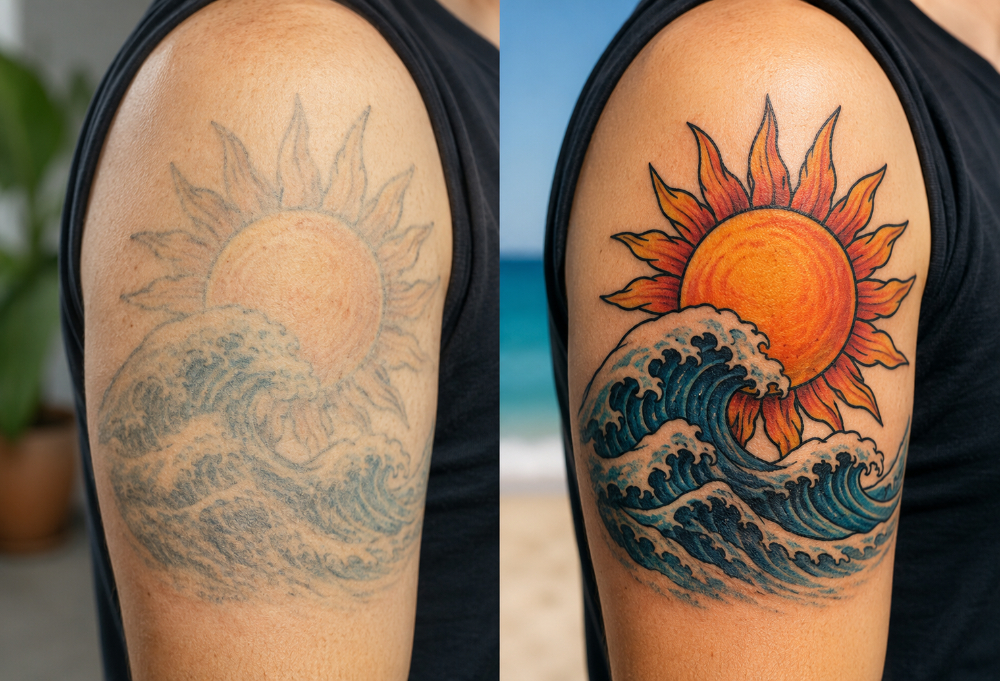
Tattoos are a lifelong investment, both emotionally and financially. Whether you have a sleeve of intricate artwork or a small meaningful symbol on your wrist, the last thing you want is to watch your tattoo fading into a blurry, dull version of what it once was. The good news is that tattoo fading is largely
READ MORECategory: Tattoo Maintenance
What Not to Do After Getting a Tattoo
You finally did it. You sat in the chair, endured the needle, and walked out with a stunning piece of art on your skin. But here is the thing most people do not realize: the tattoo process does not end when you leave the studio. What you do in the days and weeks that follow
READ MOREHow to Maintain Your Tattoos and Piercings Year-Round
Your tattoos and piercings are more than just body art. They are personal expressions of your story, your personality, and your creativity. Once you invest in high-quality work, it is important to protect it with the right care so it stays as beautiful and healthy as the day you got it. At Skin Illustrations-Tattoos, we
READ MORETattoos are a lifelong investment, both emotionally and financially. Whether you have a sleeve of intricate artwork or a small meaningful symbol on your wrist, the last thing you want is to watch your tattoo fading into a blurry, dull version of what it once was. The good news is that tattoo fading is largely preventable with the right care habits.
This guide walks you through everything you need to know to protect your ink and keep it vibrant for decades to come.
Understanding Why Tattoo Fading Happens
Before diving into prevention, it helps to understand what causes tattoo fading in the first place. Tattoo ink is deposited into the dermis, the second layer of skin beneath the epidermis. Over time, several factors work against your ink’s longevity.
Sun exposure is the single biggest culprit. Ultraviolet rays break down the pigment molecules in your skin, causing colors to fade and lines to lose their crispness. This is especially true for lighter colors like yellows, pinks, and pastels, which are more vulnerable to UV damage than darker pigments like black and navy blue.
Skin hydration also plays a major role. Dry, flaky skin causes the surface layer to shed more rapidly, which can pull ink closer to the surface and accelerate fading over time. People who live in dry climates or who do not moisturize regularly tend to notice tattoo fading at a faster rate.
Friction is another factor that many people overlook. Areas of the body that experience constant rubbing, such as the inner arms, hands, fingers, and feet, are notorious for fading quickly. The mechanical action of skin rubbing against clothing or other surfaces wears down the ink gradually. Finally, the aging process itself causes the skin to lose elasticity and collagen, which can make tattoos appear less defined over the years.
How to Prevent Tattoo Fading With Sun Protection
If you are serious about how to prevent tattoo fading, sun protection needs to become a non-negotiable part of your routine. Applying a broad-spectrum sunscreen with an SPF of at least 30 to your tattooed skin every single day is one of the most impactful steps you can take.
Many people only apply sunscreen when they are heading to the beach or spending extended time outdoors, but UV rays can damage your ink even on cloudy days or through car windows. A daily SPF habit protects your tattoo whether you are running errands or sitting by a sunny window at work.
For tattoos that are frequently exposed, such as those on the forearms, hands, or neck, look for sunscreens that are water-resistant and fragrance-free to avoid skin irritation. Mineral sunscreens containing zinc oxide or titanium dioxide are particularly effective because they physically block UV rays rather than simply absorbing them.
Wearing protective clothing is another excellent strategy. Long sleeves, UV-protective shirts, and hats can shield tattoos from sun exposure without requiring constant reapplication of sunscreen. This is especially useful during outdoor activities like hiking, swimming, or attending outdoor events.
Moisturizing and Skin Care Habits That Reduce Tattoo Fading
Keeping your skin consistently hydrated is one of the simplest and most effective ways to slow down tattoo fading. When skin is well-moisturized, it maintains a smooth surface that reflects light evenly, making tattoo colors appear more vivid and lines look sharper.
Use a fragrance-free, dye-free moisturizer daily and apply it generously to your tattooed skin. Lotions and creams that contain ingredients like shea butter, glycerin, or hyaluronic acid are excellent choices because they lock in moisture without clogging pores or causing irritation. Coconut oil is a popular natural alternative, though it can feel heavy on the skin for some people.
The timing of your moisturizing routine matters too. Applying lotion immediately after showering, while your skin is still slightly damp, helps seal in hydration more effectively. This small adjustment to your existing routine can make a noticeable difference in the long-term appearance of your ink.
It is also worth paying attention to the products you use on your tattooed skin. Harsh exfoliants, alcohol-based toners, and heavily fragranced body washes can strip the skin of its natural oils and accelerate cell turnover in ways that are not ideal for tattoo preservation. Gentle, hydrating cleansers are a better choice for skin that hosts valuable artwork.
Staying hydrated from the inside matters as well. Drinking enough water each day keeps your skin plump and healthy at a cellular level. While no amount of water intake will stop tattoo fading entirely, a body that is well-hydrated tends to maintain healthier skin overall, which supports the longevity of your ink.
Choosing the Right Tattoo Placement to Avoid Fading
One of the most overlooked aspects of how to prevent tattoo fading actually starts before you even sit down in the tattoo artist’s chair. Placement is a critical factor in how well a tattoo holds up over time.
Areas that are exposed to constant friction or movement tend to fade much faster. Hands and fingers are a prime example. The skin on your hands regenerates quickly and is subjected to washing, friction, and sun exposure on a near-constant basis. Tattoos in this location often require touch-ups within just a few years of being done.
Similarly, feet and ankles are high-fade zones because of the friction from shoes and socks and the way skin in those areas stretches and moves. The inner elbow and backs of knees are problematic for the same reason, as they flex repeatedly throughout the day.
For tattoos you want to preserve long-term, areas like the upper arm, outer forearm, shoulder, upper back, and calf tend to hold ink better. These zones experience less friction, are easier to protect with clothing, and generally have thicker, more stable skin.
If you have your heart set on a high-fade area, talk to your tattoo artist about design choices that hold up better in those spots. Bold lines and solid black tend to outlast delicate fine-line work or color gradients in challenging placements.
Aftercare and Long-Term Touch-Ups for Lasting Color
Proper aftercare during the healing process lays the foundation for a tattoo that resists fading for years. Following your artist’s aftercare instructions is not optional if you want your tattoo to look its best long-term.
In the first few weeks after getting tattooed, keep the area clean and moisturized, avoid direct sun exposure, do not pick at peeling skin, and stay out of pools, oceans, and hot tubs. Submerging a fresh tattoo in water introduces bacteria and can pull ink out of the skin before it has fully set. Picking at scabs or peeling skin does the same thing and can create patchy areas that look faded even before the tattoo is healed.
Even with the best care, some tattoo fading is inevitable over time. This is completely normal, and most artists recommend scheduling a touch-up every five to ten years, depending on how the tattoo has aged. A skilled artist can refresh faded lines, re-saturate dulled colors, and restore the overall crispness of the design.
Touch-ups are significantly less expensive than a full tattoo session, and they can make an older tattoo look almost brand new. Building this into your long-term tattoo care plan removes the disappointment of gradual fading and keeps your investment looking intentional and well-maintained.
Conclusion
Tattoo fading is a natural process, but it is far from inevitable at the rates most people experience. By prioritizing sun protection, maintaining a solid moisturizing routine, choosing smart placements, and committing to good aftercare, you give your tattoos the best possible chance of staying vibrant for years. A little consistency goes a long way when it comes to preserving the artwork you carry with you every day.
Need Custom Tattoos & Piercings Near You?
At Skin Illustrations Tattoo Studio, we’re more than just a tattoo parlor—we’re a creative sanctuary where your ideas, stories, and identity come to life through ink. By offering custom tattoos, an attentive tattoo design process, and a team of passionate tattoo artists, we are proud to deliver exceptional artistry tailored to you. Whether you’re considering floral tattoos, handwriting tattoos, black and gray tattoos, or bold full-color tattoos, reach out to us today and let us help you design something meaningful, lasting, and entirely your own.
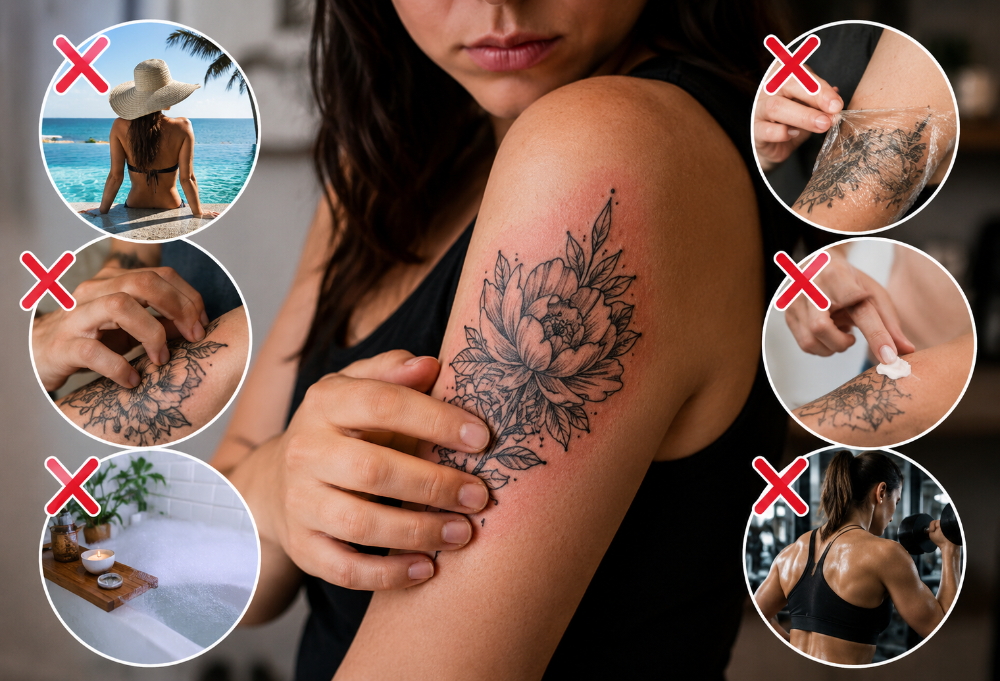
You finally did it. You sat in the chair, endured the needle, and walked out with a stunning piece of art on your skin. But here is the thing most people do not realize: the tattoo process does not end when you leave the studio. What you do in the days and weeks that follow will determine whether your tattoo heals beautifully or turns into a faded, patchy regret. Understanding what not to do after getting a tattoo is just as important as choosing the right artist or design.
Tattoo aftercare mistakes are incredibly common, and they happen to first-timers and seasoned collectors alike. The skin has just gone through significant trauma, and it needs time, attention, and the right environment to heal properly. Before you make a move, read through these critical warnings that every new tattoo owner needs to know.
Do Not Skip the Aftercare Instructions Your Artist Gave You
This sounds obvious, but it is one of the most frequent tattoo aftercare mistakes people make. Your tattoo artist gave you specific instructions for a reason. They know the ink they used, the depth of the work, and what your skin needs to recover. Ignoring those instructions, even partially, can lead to infection, ink fallout, and uneven healing.
One of the biggest errors in this category is removing the initial bandage too early or too late. Most artists now use second-skin or saniderm wrap, which should stay on for a specific window of time, typically between 24 and 72 hours depending on the artist’s recommendation. Peeling it off too soon exposes the raw wound to bacteria before a protective layer has formed. Leaving it on too long can trap moisture and create a breeding ground for bacteria underneath.
Another common slip in this phase is using the wrong ointment. Heavy petroleum-based products like Vaseline can suffocate the skin and pull color out of a fresh tattoo. Your artist likely recommended a fragrance-free lotion or a specialized tattoo aftercare balm. Stick with that recommendation and avoid experimenting with products you have lying around the house.
Do Not Expose Your Tattoo to the Sun or Tanning Beds
UV exposure is one of the fastest ways to destroy a fresh tattoo, and it remains a long-term threat even after the tattoo is fully healed. Direct sunlight on a new tattoo can cause serious damage, including blistering, fading, and distortion of fine lines and colors.
During the healing process, which typically takes two to four weeks for the surface layer and up to three months for deeper layers, you should keep your tattoo completely out of the sun. This means wearing loose, breathable clothing that covers the area whenever you go outside. Do not apply sunscreen to a fresh tattoo either. While sunscreen is essential for protecting healed tattoos long-term, putting it on a new tattoo can irritate the open skin and interfere with the healing process.
Tanning beds are just as harmful, if not worse, because they concentrate UV rays in a way that can rapidly break down the pigment in your ink. If you are someone who tans regularly, you will need to pause that habit until your tattoo is fully healed and even then, always apply a high-SPF sunscreen over the area before any UV exposure.
Do Not Soak Your Tattoo in Water
Swimming, long baths, and hot tubs are all on the list of what not to do after getting a tattoo. Submerging a fresh tattoo in water is a serious aftercare mistake that can lead to infection and ink loss.
Pools are treated with chlorine and other chemicals that are extremely harsh on healing skin. Even a brief dip can introduce irritants and bacteria into the open wound, leading to inflammation or worse. Natural bodies of water like lakes, rivers, and the ocean carry bacteria and microorganisms that pose a real infection risk to any open wound, including a fresh tattoo.
Hot tubs are particularly problematic. The combination of heat, chemicals, and the presence of other people makes them one of the riskiest environments for a healing tattoo. The heat alone can open the pores and draw ink out, leading to patchy or faded results.
Even at home, you need to be cautious. Long showers with hot water can soften the skin and loosen ink that has not yet settled. Quick, lukewarm showers are fine, but soaking in a bathtub should be avoided for at least two to three weeks. When washing the tattoo, use your hand with a gentle, unscented soap rather than a washcloth or loofah, which can be too abrasive on tender skin.
Do Not Pick, Scratch, or Peel the Healing Skin
This is one of the hardest tattoo aftercare rules to follow, because healing tattoos itch. As the skin regenerates, it will peel and flake in a way that can feel irresistible to pick at. Resisting that urge is absolutely critical.
When you scratch or pick at a healing tattoo, you are physically removing ink along with the dead skin. This leads to patchy spots, uneven color, and sometimes permanent scarring. Even if it looks like a small flake of skin is barely hanging on, leave it alone. It will fall off naturally when it is ready, and the ink beneath it will be intact.
If the itching becomes unbearable, gently pat the area with a clean hand rather than scratching. Applying a thin layer of fragrance-free moisturizer can also help relieve the sensation. Keeping the skin hydrated during the peeling phase is one of the best things you can do to support even healing.
Tight clothing that rubs against the tattoo can cause similar damage by essentially picking at the skin repeatedly throughout the day. Choose loose, soft fabrics that will not cling to or irritate the area, and avoid any clothing with rough seams or textures over the tattoo site.
Do Not Neglect the Signs of Infection or Allergic Reaction
Knowing what not to do after getting a tattoo also means knowing when something has gone wrong. Some redness and swelling in the first day or two is completely normal, as the skin is responding to trauma. But there are warning signs that go beyond normal healing, and ignoring them is one of the most dangerous tattoo aftercare mistakes you can make.
Signs of infection include excessive redness that spreads beyond the tattoo, warmth or fever in the area, swelling that worsens after the first 48 hours, pus or unusual discharge, and a foul smell coming from the site. If you experience any of these symptoms, do not wait it out. See a healthcare professional as soon as possible.
Allergic reactions are less common but do occur, particularly with certain ink colors like red, yellow, and green, which sometimes contain compounds that sensitive individuals react to. An allergic reaction may present as raised, itchy bumps or hives around the tattooed area. This also warrants a visit to a doctor rather than a self-diagnosed home remedy.
Do not attempt to treat a suspected infection with over-the-counter antibiotic creams without medical guidance, as some of these products can interfere with ink and cause further irritation.
Conclusion
Caring for a new tattoo requires patience and discipline. Understanding what not to do after getting a tattoo can be the difference between vibrant, lasting artwork and a costly touch-up appointment. Avoid common tattoo aftercare mistakes like sun exposure, soaking, picking at the skin, and ignoring your artist’s instructions, and your tattoo will heal into exactly the piece you envisioned.
Need Custom Tattoos & Piercings Near You?
At Skin Illustrations Tattoo Studio, we’re more than just a tattoo parlor—we’re a creative sanctuary where your ideas, stories, and identity come to life through ink. By offering custom tattoos, an attentive tattoo design process, and a team of passionate tattoo artists, we are proud to deliver exceptional artistry tailored to you. Whether you’re considering floral tattoos, handwriting tattoos, black and gray tattoos, or bold full-color tattoos, reach out to us today and let us help you design something meaningful, lasting, and entirely your own.

Your tattoos and piercings are more than just body art. They are personal expressions of your story, your personality, and your creativity. Once you invest in high-quality work, it is important to protect it with the right care so it stays as beautiful and healthy as the day you got it.
At Skin Illustrations-Tattoos, we believe that proper aftercare does not end when you leave the studio. Taking care of your tattoos and piercings year-round keeps them vibrant, healthy, and long-lasting. Whether it is summer sun or winter dryness, every season presents new challenges for your skin and body art.
That is why we have created this year-round tattoo care guide to help you understand how to maintain both tattoos and piercings, no matter the time of year.
Why Year-Round Care Matters
Many people follow their artist’s aftercare instructions right after getting a tattoo or piercing, but then let those habits fade over time. However, skin and body modifications are living art. The way your skin heals, hydrates, and reacts to environmental factors has a direct impact on how your tattoos and piercings look months and years later.
Just as your hair or nails need consistent maintenance, your tattoos and piercings need regular attention too. Proper care ensures:
-
Tattoos retain their color and detail.
-
Piercings heal correctly and stay free from infection.
-
Your skin remains hydrated and healthy.
-
You avoid irritation caused by sun, sweat, and dryness.
Think of this year-round tattoo care guide as your manual for protecting your investment and keeping your art looking its best through every season.
Tattoo Maintenance Basics
Before we get into seasonal care, it helps to understand the basics of keeping tattoos vibrant all year long.
1. Keep Your Skin Hydrated
Healthy, hydrated skin is the foundation of vibrant tattoos. Dry or flaky skin can make even the boldest ink look dull and faded. Use a fragrance-free moisturizer daily to keep your skin soft and supple. Look for products with natural ingredients such as aloe vera, shea butter, or coconut oil.
Applying lotion after a shower helps lock in moisture. If your skin tends to dry out quickly, keep a small travel-sized moisturizer handy to reapply as needed.
2. Avoid Excessive Sun Exposure
The sun is one of the biggest enemies of tattoo vibrancy. Ultraviolet (UV) rays can cause ink to fade and blur over time. Always apply sunscreen with SPF 30 or higher to your tattoos before heading outside. For extra protection, cover your tattoos with clothing or stay in the shade during peak sunlight hours.
Even during cloudy days or cooler seasons, UV exposure can still damage your ink. Sun protection should be a year-round habit.
3. Stay Hydrated from the Inside Out
Drinking enough water benefits your skin, your health, and your tattoos. Hydrated skin heals faster, retains elasticity, and helps color stay rich and defined. Aim for at least eight glasses of water per day, and more during hot or dry weather.
4. Regularly Exfoliate Gently
Dead skin buildup can dull the appearance of tattoos. Gently exfoliate your skin once or twice a week using a mild scrub or washcloth. This helps remove dead cells and allows new, healthy skin to shine through. Avoid over-scrubbing, which can irritate the skin and affect the tattoo’s texture.
5. Avoid Harsh Chemicals and Fragrances
Perfumed lotions, strong soaps, and alcohol-based products can irritate skin and dry out tattoos. Choose mild, fragrance-free products to clean and moisturize your skin. This is especially important during the healing phase, but remains beneficial long after your tattoo has healed.
Seasonal Tattoo Care Tips
Each season brings unique challenges for your skin and tattoos. Here is how to adjust your care routine throughout the year to ensure you are always keeping tattoos vibrant and healthy.
Spring
Spring weather can bring fluctuating temperatures and increased humidity. After months of winter dryness, your skin may need extra attention.
-
Exfoliate gently to remove dead skin from the colder months.
-
Moisturize daily to help your skin adjust to changing conditions.
-
Start applying sunscreen again if you have not been using it regularly during winter.
If you plan to get a new tattoo or piercing, spring is a great time. The moderate temperatures make it easier to heal without the extremes of summer heat or winter cold.
Summer
Summer is the season when your tattoos are most at risk. Between sunlight, swimming, and sweat, your skin goes through a lot.
-
Always apply sunscreen on your tattoos before heading outdoors. Reapply every two hours if you are swimming or sweating.
-
Avoid swimming in pools, lakes, or the ocean until new tattoos or piercings are fully healed. Chlorine and saltwater can irritate open skin and increase infection risk.
-
Stay hydrated to help your skin recover from sun exposure.
-
Shower after outdoor activities to remove sweat, sunscreen residue, and bacteria that can irritate skin.
Summer is also a great time to book touch-ups if you notice any fading. The artists at Skin Illustrations-Tattoos can restore your ink’s brightness and crispness.
Fall
As temperatures drop, your skin starts to dry out again. The transition from humid to cooler air can make tattoos appear dull.
-
Increase your moisturizing routine to combat dryness.
-
Use thicker lotions or balms that offer longer-lasting hydration.
-
Continue sun protection since UV rays remain strong even when it is cooler.
Fall is also a good time for piercings, since sweat and swimming are less of a concern. Just be sure to wear clean, breathable clothing to avoid irritation.
Winter
Cold weather, indoor heating, and low humidity can be tough on both tattoos and piercings. Winter dryness can cause itching and flaking that dulls tattoo colors and irritates pierced skin.
-
Use a humidifier at home to add moisture to the air.
-
Moisturize more frequently, especially after showers or before bed.
-
Avoid long, hot showers, which strip your skin of natural oils.
-
Wear soft fabrics that do not rub against tattoos or new piercings.
Even though you might be covered up during the winter, your tattoos still need care to stay bright and healthy.
Piercing Care and Maintenance
While tattoo care focuses on keeping skin and ink vibrant, piercings require attention to hygiene and healing. Proper cleaning and maintenance prevent infection and irritation.
1. Keep Piercings Clean
Clean your piercings twice a day with a saline solution or a piercing aftercare spray. Avoid alcohol or hydrogen peroxide, which can dry out and damage healing tissue. Always wash your hands before touching your piercing.
2. Avoid Twisting or Removing Jewelry Too Soon
It can be tempting to twist or adjust your jewelry, but this can delay healing. Leave your jewelry in place until your piercer confirms it is safe to remove or change it. Premature removal can cause the hole to close or trap bacteria.
3. Watch for Signs of Irritation or Infection
Mild redness or swelling is normal for new piercings, but prolonged pain, discharge, or heat around the area could signal infection. If you suspect a problem, contact Skin Illustrations-Tattoos or your piercer right away for guidance.
4. Avoid Sleeping on Fresh Piercings
Pressure from pillows can irritate new piercings and slow healing. Try to sleep on your back or use a travel pillow for extra support while your piercing heals.
5. Keep Jewelry Clean Year-Round
Even after healing, clean your jewelry regularly with mild soap and water. This helps remove buildup and keeps both your skin and jewelry looking great.
Professional Touch-Ups and Checkups
Even with excellent care, tattoos and piercings can change over time. Touch-ups are a natural part of keeping tattoos vibrant and ensuring your art looks its best for years to come.
At Skin Illustrations-Tattoos, our artists are always happy to provide touch-ups or assess any concerns you might have about color fading, scarring, or uneven healing. We also offer guidance on choosing products that protect your body art and keep it looking fresh.
Regular visits to your tattoo or piercing professional help you catch small issues before they turn into bigger ones.
Long-Term Habits for Healthy Skin and Art
Ultimately, tattoos and piercings are part of your body, so taking care of them means taking care of yourself. A healthy lifestyle benefits your skin, healing process, and long-term appearance.
-
Eat a balanced diet rich in vitamins and hydration-supporting foods.
-
Avoid smoking, which can dull skin and slow healing.
-
Exercise regularly to promote good circulation and healthy skin.
-
Get enough rest to allow your body to repair and rejuvenate naturally.
When you care for your skin, you also care for your art.
Keep Your Art Alive with Skin Illustrations-Tattoos
Tattoos and piercings are lifelong investments in self-expression. With consistent care and a few mindful habits, you can preserve their color, detail, and health for years to come.
If you ever have questions about aftercare or notice changes in your tattoos or piercings, the experienced team at Skin Illustrations-Tattoos is always here to help. Our artists and piercers are dedicated to providing not only exceptional work but also the knowledge you need to care for it properly.
Let this year-round tattoo care guide remind you that maintenance is not just about looks: it’s about protecting your art, your health, and your confidence. Visit Skin Illustrations-Tattoos today to speak with our team, schedule a touch-up, or get personalized advice for keeping tattoos vibrant and piercings healthy all year long.