
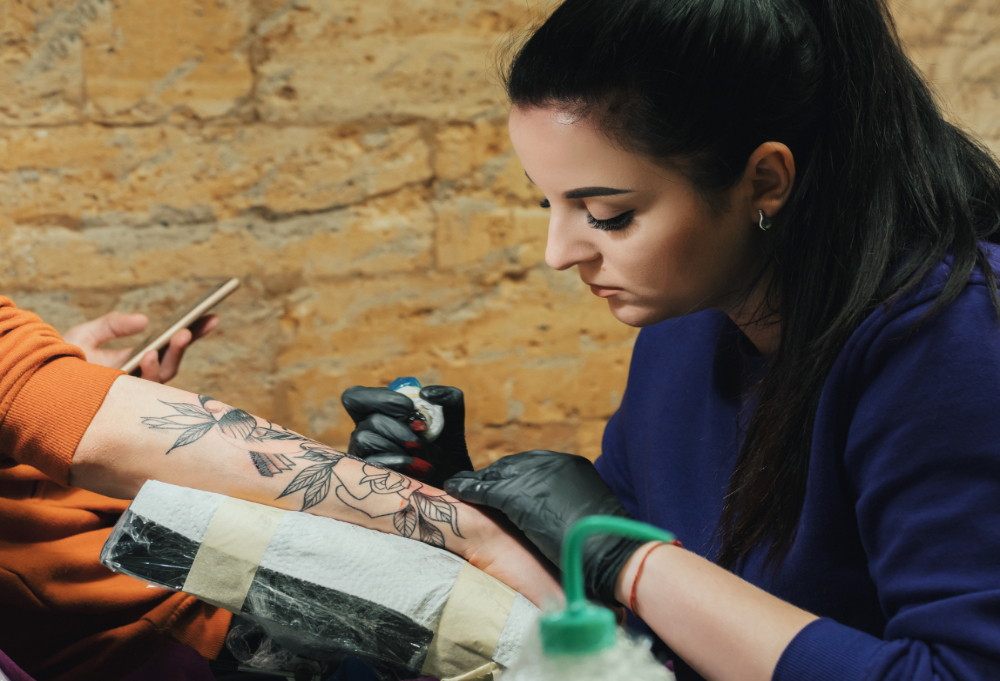
Getting a tattoo is an exciting milestone, but one of the most common questions people ask before booking their appointment is how long can you sit for a tattoo session. The answer is not one-size-fits-all. It depends on your pain tolerance, the complexity of the design, your body chemistry, and your artist’s style. Whether you
READ MORECategory: Custom Tattoos
Are Tattoo Consultations Necessary?
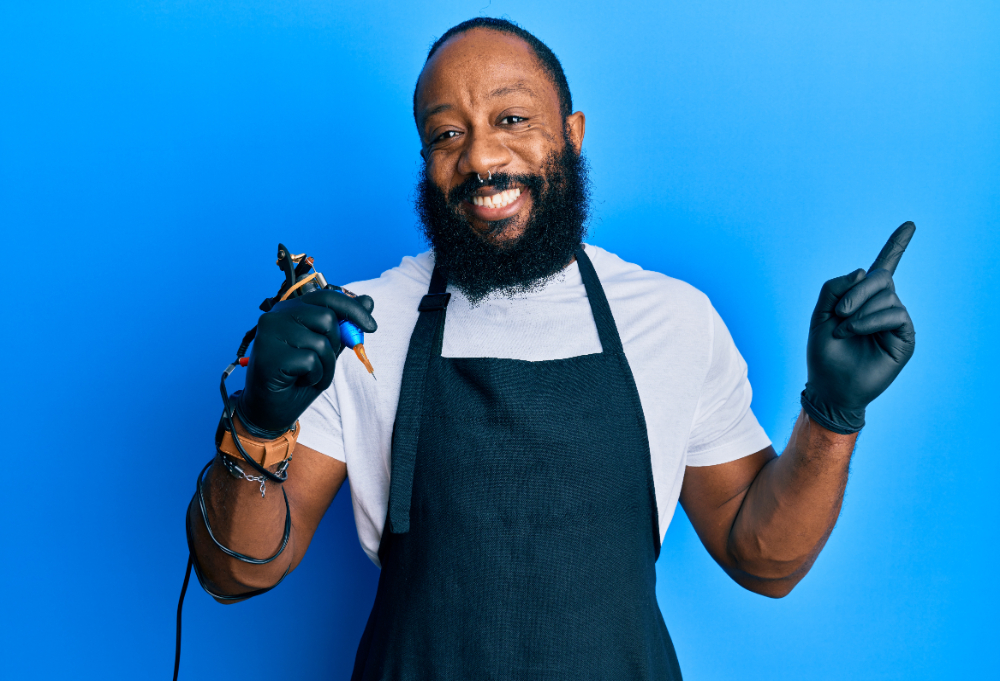
If you have ever thought about getting a tattoo, you have probably spent time scrolling through artist portfolios, pinning reference images, and imagining how the design will look on your skin. But one step that many people skip or overlook is the tattoo consultation. Is it really necessary to sit down with your artist before
READ MOREWhat to Expect During Your First Tattoo Appointment at Skin Illustrations in Lawrence, KS
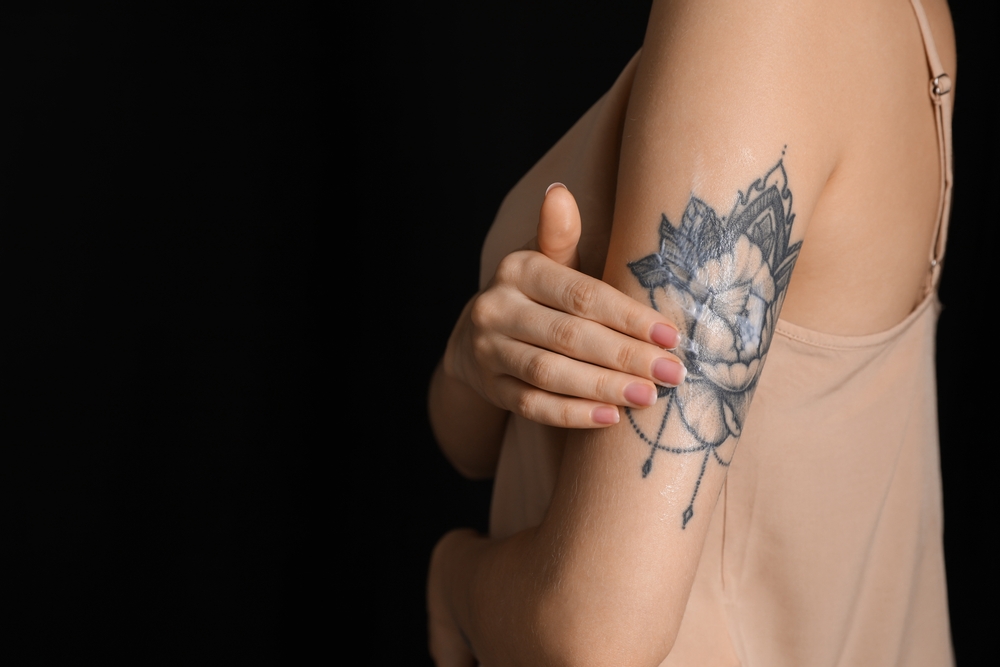
Getting your first tattoo is a big decision, and it’s completely natural to have questions and even a few nerves. At Skin Illustrations Tattoos & Piercings in Lawrence, KS, we’re here to make your experience as smooth, comfortable, and memorable as possible. Since 1993, our locally and family-owned tattoo studio has been dedicated to creating
READ MOREChoosing the Best Tattoo Colors for Your Skin Tone
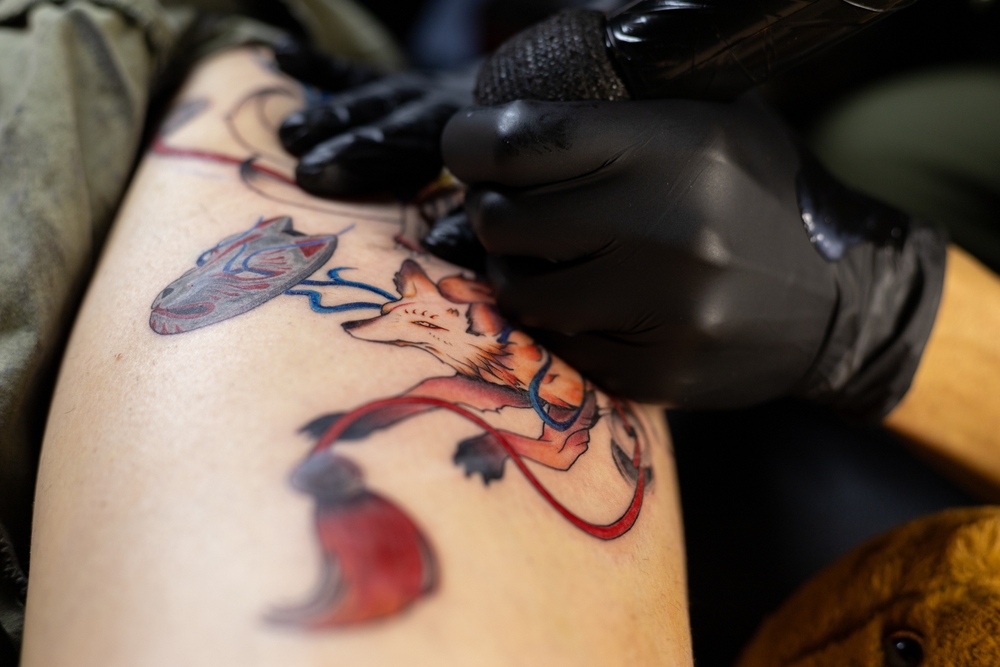
Tattoos are an incredible form of self-expression, but their visual impact greatly depends on how the ink interacts with your skin tone. While design and placement are often the main focus, color choice can make or break a tattoo’s aesthetic. This is where understanding the skin tone tattoo guide becomes essential. Not all colors behave
READ MORECover-Up Tattoos: Transforming Old Ink Into Something New
Sometimes, a tattoo that once had deep meaning or personal significance no longer fits who you are today. Maybe the design has faded, the art did not turn out as expected, or your tastes have simply changed over time. Whatever the reason, a cover-up tattoo can give you a fresh start. At Skin Illustrations-Tattoos, we
READ MOREGetting a tattoo is an exciting milestone, but one of the most common questions people ask before booking their appointment is how long can you sit for a tattoo session. The answer is not one-size-fits-all. It depends on your pain tolerance, the complexity of the design, your body chemistry, and your artist’s style. Whether you are planning a small piece or a full sleeve, understanding what your body can handle will help you prepare mentally and physically for the experience.
Tattoo sessions can range anywhere from 30 minutes for a tiny minimalist design to 8 or more hours for large, detailed work. Some artists and clients push into multiple consecutive days for ambitious projects like back pieces or full-body suits. Knowing your limits before you sit down in that chair is key to making sure your session goes smoothly and your tattoo heals beautifully.
What Is the Average Length of a Tattoo Session?
The average tattoo session typically falls somewhere between 2 and 6 hours. Smaller tattoos, like a simple word, symbol, or small floral design, can be completed in under an hour. Medium-sized pieces with moderate detail, such as a forearm design or a calf wrap, usually take 3 to 5 hours. Large, complex projects like full sleeves, chest panels, or back pieces are often broken into multiple sessions of 4 to 8 hours each.
Your artist will generally give you a time estimate during your consultation, but keep in mind that estimates can shift depending on how your skin takes the ink, how often you need breaks, and how quickly the artist works. Some highly detailed blackwork or realism pieces require exceptional precision, which naturally slows down the process.
For first-timers especially, it is worth having an honest conversation with your tattoo artist about session length. Many artists actually prefer breaking large work into shorter sessions to ensure the quality of the piece stays high and the client remains comfortable throughout the process.
How Long Can You Sit for a Tattoo Before Your Body Gives Out?
This is the core question most people want answered: how long can you sit for a tattoo before your body physically and mentally hits a wall? For most people, that wall appears somewhere around the 4 to 6 hour mark. After this point, the body’s natural adrenaline wears off, the endorphins that initially numb some of the pain start to fade, and fatigue sets in heavily.
Your skin also has a limit. After prolonged tattooing in the same area, the skin becomes increasingly irritated and swollen. Artists refer to this as the skin “blowing out” or becoming too traumatized to hold ink cleanly. A skilled tattoo artist will recognize when your skin has had enough and will recommend stopping for the day, even if you feel mentally ready to push on.
Blood sugar levels play a significant role here as well. Extended sessions deplete your body’s glucose reserves, which can lead to lightheadedness, nausea, and even fainting. This is why many experienced clients bring snacks and electrolyte drinks to long sessions. Eating a solid meal before your appointment is not optional; it is essential, especially if you are planning to sit for more than 3 hours.
Emotional fatigue is another factor people overlook. Sitting still, managing pain, and staying in a fixed position for hours at a time is mentally draining. By hour 5 or 6, many clients find it difficult to stay still, which can affect the quality of the linework. Recognizing your own mental threshold is just as important as understanding your physical one.
How to Sit Through a Long Tattoo Session Without Breaking Down
Learning how to sit through a long tattoo session is a skill that develops over time, but there are strategies you can use from your very first appointment to make the process far more manageable.
Preparation starts the night before. Getting a full night of sleep is one of the most underrated ways to improve your tattoo experience. A well-rested body tolerates pain more effectively than a tired one, and your skin will be in better condition to receive ink. Avoid alcohol for at least 24 hours before your session, as it thins the blood and can cause excessive bleeding, which makes it harder for the artist to work cleanly.
On the day of your appointment, eat a nutritious, filling meal at least an hour before you go in. Complex carbohydrates, proteins, and healthy fats will keep your blood sugar stable for longer. Bring snacks for during the session, particularly things like nuts, granola bars, fruit, or anything that is easy to eat without making a mess or moving too much.
Wearing comfortable, loose clothing that gives your artist easy access to the area being tattooed is another simple but important step. Nothing derails a session faster than having to awkwardly position yourself around tight clothing.
Breathing techniques are surprisingly effective during a long session. Slow, controlled breathing helps regulate your nervous system and reduces the perception of pain. Some people find it helpful to breathe in for 4 counts, hold for 4 counts, and exhale for 4 counts. This rhythmic breathing keeps you calm and focused rather than tensing up against the needle.
Distraction is one of the most powerful tools available to you. Bring headphones and a curated playlist, download a podcast series you have been meaning to start, or queue up an audiobook. Letting your mind drift into a story or music removes your mental focus from the sensation of the needle, making hours feel like minutes.
Communication with your artist is crucial. Never push through severe discomfort silently. A good artist will welcome short breaks and will respect when you need a moment to breathe, eat a snack, or simply shift your position slightly. Taking a 5-minute break every 45 minutes to an hour can dramatically extend how long you are able to sit without your performance declining.
Factors That Affect How Long You Can Realistically Sit
Several individual factors determine how long any given person can handle a tattoo session. Pain tolerance varies widely from person to person and is influenced by genetics, past experience with pain, and your mental state on the day of the appointment.
Placement matters enormously. Certain areas of the body are far more painful than others. The ribs, spine, sternum, inner arm, back of the knee, and neck are notoriously difficult spots, and sessions in these areas tend to feel more exhausting even if they are shorter in duration. Fleshier areas like the outer thigh, upper arm, and calf are generally easier to tolerate for longer periods.
Skin sensitivity is another variable. People with highly sensitive skin may experience more intense pain and faster skin trauma, which limits session length. Those with more resilient skin may be able to push comfortably past the 6-hour mark with the right preparation.
Your history with tattoos also plays a role. First-time clients often underestimate how draining the experience can be, while seasoned collectors have usually learned their personal limits through trial and error. If you are new to tattooing, starting with a shorter session, even if your design could technically be done in one go, is a wise approach that helps you understand your own body’s response.
Conclusion
Understanding how long can you sit for a tattoo comes down to knowing yourself and preparing properly. Most people do well in sessions of 4 to 6 hours, while highly experienced collectors can sometimes stretch to 8 hours with the right mindset and preparation. Learning how to sit through a long tattoo session is about sleep, nutrition, distraction, communication, and listening to your body when it tells you it has had enough. Respect the process, trust your artist, and your experience from start to finish will be far better for it.
Need Custom Tattoos & Piercings Near You?
At Skin Illustrations Tattoo Studio, we’re more than just a tattoo parlor—we’re a creative sanctuary where your ideas, stories, and identity come to life through ink. By offering custom tattoos, an attentive tattoo design process, and a team of passionate tattoo artists, we are proud to deliver exceptional artistry tailored to you. Whether you’re considering floral tattoos, handwriting tattoos, black and gray tattoos, or bold full-color tattoos, reach out to us today and let us help you design something meaningful, lasting, and entirely your own.
If you have ever thought about getting a tattoo, you have probably spent time scrolling through artist portfolios, pinning reference images, and imagining how the design will look on your skin. But one step that many people skip or overlook is the tattoo consultation. Is it really necessary to sit down with your artist before the actual appointment? The short answer is yes, and the reasons go much deeper than you might expect.
Whether you are planning a small minimalist piece or a full sleeve, understanding the tattoo consultation benefits can make the difference between a tattoo you love for life and one you regret within months.
What Is a Tattoo Consultation?
A tattoo consultation is a meeting between you and your tattoo artist that takes place before your actual tattoo session. This meeting can happen in person at the studio, over the phone, or through a video call, depending on the artist’s preferences and your location. During this time, you share your ideas, reference images, placement preferences, and any other details that will shape the final design.
The artist, in turn, uses this meeting to assess the complexity of your idea, ask clarifying questions, and begin thinking about how to bring your vision to life. For a custom tattoo consultation specifically, this step is even more critical. Custom work requires the artist to create an entirely original design tailored to your body, your personality, and your preferences. Without a proper consultation, the artist is essentially working blind, and that is a situation nobody wants.
Most reputable studios require a consultation before booking custom work. This is not just a formality. It is a professional practice that protects both the artist and the client from miscommunication and disappointment.
Why Tattoo Consultation Benefits Go Beyond the Design
It is easy to think of a consultation as being purely about the artwork, but the tattoo consultation benefits extend well beyond choosing a design. One of the most underrated aspects of the consultation is the relationship it builds between you and your artist.
Tattooing is an intimate process. You are trusting someone to permanently alter your skin, and that requires a level of comfort and confidence in the person holding the needle. A consultation gives you the opportunity to gauge the artist’s communication style, professionalism, and enthusiasm for your project. If something feels off during the consultation, that is valuable information. On the other hand, if the artist listens carefully, asks thoughtful questions, and offers creative input, you walk away feeling excited and confident about your upcoming appointment.
Beyond the interpersonal connection, consultations also give you the chance to discuss practical matters that are easy to forget when you are caught up in the excitement of getting tattooed. Topics like session length, pricing, the number of sessions required for larger pieces, aftercare expectations, and touch-up policies are all worth addressing before you sit down in the chair. Understanding these details ahead of time prevents surprises and helps you prepare financially and mentally for the process.
Health considerations are another important element. A good artist will ask about any skin conditions, allergies, or medications that could affect how your skin takes ink or heals afterward. Certain medications thin the blood, which can make tattooing more difficult. Others affect healing. Knowing this information in advance allows the artist to either adjust their approach or refer you to a medical professional if necessary.
The Role of a Consultation in the Custom Tattoo Process
When it comes to custom work, a custom tattoo consultation is not just helpful. It is essential. Unlike flash designs or pre-drawn artwork, custom tattoos are built from scratch around your specific ideas and body. There is no template to fall back on, which means every decision matters.
During a custom tattoo consultation, the artist works with you to understand the story or meaning behind the piece, the style you want (realism, traditional, neo-traditional, blackwork, watercolor, etc.), the size and placement on the body, and how the design should flow with your anatomy. This last point is more significant than many clients realize. A skilled artist does not just slap a design onto your skin. They consider how the tattoo will wrap around curves, how it will age over time, and how it will look from different angles.
Reference images are a major part of this process. Bringing in photos, sketches, screenshots, or even mood boards helps the artist understand your aesthetic preferences and gives them a creative starting point. However, a consultation is also where the artist can push back gently if something will not translate well to skin, offer alternatives, or suggest modifications that will actually improve the final result.
Skipping this step for custom work is one of the most common mistakes first-time clients make. Walking in with just a vague idea and expecting the artist to produce exactly what you imagined without any prior discussion is an unfair expectation for both parties. The consultation is where alignment happens, and alignment is what produces great tattoos.
Common Misconceptions About Tattoo Consultations
Despite the clear tattoo consultation benefits, many people still hesitate to schedule one. Some feel like they do not have enough of an idea yet to warrant a meeting. Others worry the consultation will be awkward or that they will feel pressured into booking something they are not ready for. A few people assume consultations are only necessary for large or complex pieces.
These concerns are understandable but largely unfounded. A consultation is actually one of the best times to come in with an undeveloped idea. Artists are creative professionals. They are accustomed to working with clients who know they want something meaningful but have not fully visualized it yet. Bringing in a rough concept or even just a feeling or theme is completely acceptable. The consultation is precisely the space where those early ideas get shaped into something concrete.
As for feeling pressured, any reputable artist will not push you into booking before you are ready. The purpose of the meeting is to exchange information and see if there is a good fit between your vision and the artist’s skill set. You are not obligated to commit on the spot, and a trustworthy studio will respect that.
The idea that consultations are only for large pieces is also a myth. Even a small, simple tattoo can benefit from a brief conversation about placement, sizing, font choices, or line weight. A few minutes of communication can prevent a lifetime of wishing you had spoken up earlier.
How to Prepare for Your Tattoo Consultation
Getting the most out of your consultation means coming in prepared. Start by gathering reference images that represent the style, mood, or subject matter you have in mind. You do not need to have a fully polished concept, but the more visual reference you bring, the easier it is for the artist to understand your vision.
Think about placement before the meeting. Where on your body do you want the tattoo? Is there a reason for that placement, either aesthetic or personal? Consider the size you have in mind and whether it is realistic for the level of detail you want. Very fine linework in a very small space, for example, can blur over time and may not hold up as well as a slightly larger version of the same design.
Write down any questions you have before the appointment so you do not forget them in the moment. Pricing, session length, healing time, and the artist’s specific aftercare instructions are all worth asking about. Being organized shows the artist you are a serious and respectful client, which often results in a more invested and enthusiastic creative partnership.
Conclusion
A tattoo consultation is one of the most valuable steps in the entire tattooing process, yet it remains one of the most overlooked. The tattoo consultation benefits are wide-ranging, from stronger artist-client communication to better design outcomes and fewer surprises on the day of your appointment. For anyone pursuing custom work, a custom tattoo consultation is simply non-negotiable. It is the foundation on which a great tattoo is built. Do not skip it.
Need Custom Tattoos & Piercings Near You?
At Skin Illustrations Tattoo Studio, we’re more than just a tattoo parlor—we’re a creative sanctuary where your ideas, stories, and identity come to life through ink. By offering custom tattoos, an attentive tattoo design process, and a team of passionate tattoo artists, we are proud to deliver exceptional artistry tailored to you. Whether you’re considering floral tattoos, handwriting tattoos, black and gray tattoos, or bold full-color tattoos, reach out to us today and let us help you design something meaningful, lasting, and entirely your own.
Getting your first tattoo is a big decision, and it’s completely natural to have questions and even a few nerves. At Skin Illustrations Tattoos & Piercings in Lawrence, KS, we’re here to make your experience as smooth, comfortable, and memorable as possible. Since 1993, our locally and family-owned tattoo studio has been dedicated to creating artistic, custom tattoos in a safe and welcoming environment. Whether you’re walking into a tattoo studio for the first time or you’re a seasoned collector, we believe in giving every client personal attention and professional tattoo services they can trust.
Below, we’ll walk you through exactly what to expect during your first tattoo appointment. From your consultation to aftercare, here’s how we help you turn your ideas into permanent works of art.
Consultation and Custom Tattoo Design Process
Before your appointment begins, you’ll have a consultation with one of our experienced tattoo artists. This is one of the most important parts of the entire process because it allows us to understand your vision in detail. Whether you’re coming in with a clear idea or need help shaping your concept, our team is skilled at helping clients refine their ideas into something truly original.
As a custom tattoo artist in Lawrence, we take pride in designing tattoos that reflect your story, style, and individuality. You won’t find cookie-cutter flash art dominating our walls. Instead, our artists work closely with you to sketch, revise, and finalize your tattoo design, making sure it’s something you’ll be proud to wear forever.
Our artists are trained to listen attentively and offer suggestions that will enhance the longevity, clarity, and overall aesthetic of your tattoo. This collaborative process sets Skin Illustrations apart as a trusted name for professional tattoo services in KS. Our clients often tell us they appreciate how much time and care we put into every design, regardless of size or complexity.
Preparing for the Tattoo Appointment
Once your design is finalized, we’ll set up your tattoo appointment and talk about how to prepare for it. First tattoo tips are essential for a successful experience, and our staff is always ready to guide you. We recommend eating a good meal before your session, staying hydrated, and wearing comfortable clothing that gives your artist easy access to the area being tattooed.
We understand that walking into a tattoo studio for the first time can be intimidating, but our friendly front desk staff and relaxed shop environment are designed to put you at ease. At our Lawrence, KS location, you’ll be welcomed like family, and we’re happy to answer any last-minute questions before you get started.
You’ll also fill out a short consent form and provide a valid ID. We’ll go over your health history and make sure there are no contraindications that could affect your tattoo or healing process. It’s all part of our commitment to giving you not only creative results but a safe and informed experience.
Cleanliness, Safety, and Professionalism
One of the top concerns new clients have is about cleanliness. We take this very seriously. Skin Illustrations maintains a clean and sterile environment at all times, strictly following health department guidelines and industry best practices. Every needle and tube is single-use and disposed of immediately after your session. Our artists wear fresh gloves and use hospital-grade disinfectants to clean every surface between clients.
Our commitment to safety isn’t just about meeting standards; it’s about exceeding them. With decades of experience, our team has developed protocols that prioritize your well-being. We believe that your peace of mind is just as important as the final result of your tattoo.
We regularly undergo training and certifications to stay ahead of industry updates and health regulations. This means when you sit down in one of our chairs, you can trust you’re in the hands of professionals who care deeply about your safety and comfort.
During the Tattoo Session: The Experience Itself
When your appointment begins, your artist will walk you through the process again and make sure you’re completely comfortable. They’ll clean and prep the area, then apply a stencil of your design to confirm placement. You’ll have a chance to review it in the mirror and make adjustments if necessary. Once you give the green light, the tattooing begins.
The sensation of being tattooed varies from person to person, but most first-time clients say it feels like a mild scratching or vibrating sensation. Your artist will work at a pace that suits you, checking in frequently to make sure you’re doing well. Breaks are always allowed, and we encourage you to speak up if you need one.
The environment at Skin Illustrations is calm and respectful. You won’t find a rushed or chaotic atmosphere. Instead, we focus on making the process enjoyable, offering reassurance and guidance every step of the way. Whether your tattoo takes 30 minutes or several hours, we aim to make your first experience something you’ll look back on with pride and excitement.
Aftercare and Long-Term Results
Once your tattoo is complete, we’ll clean the area, apply a bandage or protective wrap, and go over aftercare instructions in detail. Proper care is essential for healing and preserving the vibrancy of your tattoo. We’ll give you both verbal and written instructions on how to clean the area, what products to use, and what to avoid in the coming weeks.
We’re also happy to answer questions after you leave. Many clients reach out with follow-up questions about healing stages, and we’re always here to help. Aftercare is a key part of our professional tattoo services, and we’re committed to supporting you throughout the healing process.
With good care, your new tattoo will heal beautifully and remain a bold expression of your identity. We recommend touch-ups only when needed, and we’re happy to assess your tattoo over time if you ever have concerns. At Skin Illustrations, we don’t just focus on the day of your appointment; we’re invested in how your tattoo looks for years to come.
Conclusion
Getting your first tattoo is a personal and exciting journey. At Skin Illustrations Tattoos & Piercings in Lawrence, KS, we take every step seriously, from your initial consultation to long-term care. Our tattoo studio is built on decades of experience, a passion for custom artwork, and a dedication to professional tattoo services in KS.
We understand that choosing where to get your first tattoo is a big decision. That’s why we strive to be the best tattoo shop near you, offering custom tattoo artistry, clean and sterile facilities, and a friendly, supportive environment. Whether you’re walking into our Lawrence or Overland Park location, you’ll receive the same level of care, creativity, and professionalism.
If you’ve been wondering what to expect from your first tattoo appointment, we hope this guide has given you the confidence to take the next step!
Need Custom Tattoos & Piercings Near You?
At Skin Illustrations Tattoo Studio, we’re more than just a tattoo parlor—we’re a creative sanctuary where your ideas, stories, and identity come to life through ink. By offering custom tattoos, an attentive tattoo design process, and a team of passionate tattoo artists, we are proud to deliver exceptional artistry tailored to you. Whether you’re considering floral tattoos, handwriting tattoos, black and gray tattoos, or bold full-color tattoos, reach out to us today and let us help you design something meaningful, lasting, and entirely your own.
Tattoos are an incredible form of self-expression, but their visual impact greatly depends on how the ink interacts with your skin tone. While design and placement are often the main focus, color choice can make or break a tattoo’s aesthetic. This is where understanding the skin tone tattoo guide becomes essential. Not all colors behave the same on different skin tones, and choosing the wrong palette can lead to tattoos that fade quickly or don’t appear as vibrant as intended.
Whether you’re going for a full sleeve or a small minimalist piece, knowing the best tattoo colors for your skin tone will ensure your ink looks stunning for years to come. This guide will walk you through how to pick the right colors, avoid common mistakes, and work with your tattoo artist to get the best result possible.
Understanding Skin Tone and Undertones
Before choosing a color, it’s important to understand the difference between skin tone and undertone. Skin tone refers to the surface color of your skin, often classified as light, medium, olive, or dark. Undertone, however, is the subtle hue beneath the skin’s surface. Undertones come in three primary categories: warm (yellow, golden, or peachy), cool (pink, red, or blue), and neutral (a mix of both warm and cool).
Knowing your undertone helps predict how different colors will appear once healed. A tattoo that looks vibrant when fresh may heal differently depending on how the ink settles beneath your skin. For instance, cooler undertones tend to complement blues and purples better, while warmer undertones pair well with reds and oranges. A proper skin tone tattoo guide should always consider both skin tone and undertone when recommending color options.
To identify your undertone, look at the veins on your wrist. If they appear blue or purple, you’re likely cool-toned. Greenish veins suggest a warm undertone, and if it’s hard to tell, you may be neutral. Understanding this can help refine your choice among the best tattoo colors suited for your unique skin.
Tattoo Colors for Lighter Skin Tones
People with lighter skin tones typically have more flexibility when it comes to choosing tattoo colors. Since lighter skin provides a less pigmented canvas, most ink shades show up more accurately and vibrantly. Traditional colors such as red, green, blue, and black tend to look sharp and clean. Pastels, like lavender or mint, also show well, creating soft, ethereal designs.
If your undertone is cool, jewel tones like emerald green, sapphire blue, and royal purple will pop beautifully. Warm undertones do well with earth tones, including copper, burnt orange, and olive green. Neutrals can experiment freely, as both warm and cool hues are likely to look great.
However, lighter skin is also more prone to redness and irritation, which can affect the healing process and how the colors settle. That’s why it’s essential to follow your artist’s aftercare advice closely. When working with lighter tones, white ink is often used for highlights, but it’s important to note that white ink can fade faster and may eventually blend into the surrounding skin.
Ultimately, the best tattoo colors for light skin are those that contrast well without overwhelming the natural tone. Your artist can layer colors more effectively, allowing for subtle gradients and detailed shading that really enhance the final result.
Tattoo Colors for Medium and Olive Skin Tones
Medium and olive skin tones offer a rich base that supports a broad spectrum of tattoo colors. These tones often have neutral or warm undertones, allowing for dynamic combinations of bright and muted shades. However, there are still nuances to consider, especially when it comes to how colors heal and appear over time.
Darker reds, forest greens, deep blues, and rich purples are often excellent choices. These hues retain their boldness while complementing the warmth of olive and medium skin. Muted tones like rust, mustard yellow, and brick red also integrate well, especially for more subtle or vintage-inspired designs.
One challenge with medium skin is that lighter colors, particularly pastels or soft yellows, may not appear as sharply after healing. They can blend into the skin or lose contrast. Because of this, it’s usually better to use more saturated colors, even for highlights.
Another consideration is the use of black and gray. These tones are universally flattering, but on medium skin, the depth of gray used in shading can create beautiful dimension. For larger pieces like sleeves or back tattoos, blending these neutral tones with color highlights provides both contrast and harmony.
Following a solid skin tone tattoo guide can help artists and clients create compositions that age well and retain their visual strength. Discussing how each color may appear months or years down the line is crucial, especially for medium and olive complexions where fading can be more unpredictable.
Tattoo Colors for Dark Skin Tones
Tattooing on dark skin has often been misunderstood, with outdated myths suggesting limited color options. In truth, vibrant and expressive tattoos are absolutely achievable on darker skin when artists use the right approach. Understanding how pigment interacts with melanin is the key to identifying the best tattoo colors for deeper complexions.
Because darker skin has more melanin, it can obscure lighter ink pigments, making them harder to see clearly. This doesn’t mean color is off-limits; it just requires strategic planning. Bold and saturated colors such as crimson, royal blue, magenta, violet, and hunter green show up best and stand the test of time. These colors create strong contrast and maintain their integrity during the healing process.
Yellows and light blues are trickier because they may not contrast enough against darker skin. Similarly, white ink tends to fade quickly and may not heal as expected. However, black ink performs exceptionally well and can be used for intricate linework and shading, which adds depth to colorful areas.
The key with dark skin is to choose bold designs with defined lines and saturated hues. Avoiding overly fine detail in favor of clean, high-contrast elements will ensure the tattoo remains readable and vibrant. A knowledgeable artist will be familiar with these techniques and can guide you through a customized skin tone tattoo guide that enhances your natural beauty rather than competing with it.
Tips for Working with Your Tattoo Artist
Regardless of your skin tone, the most successful tattoos come from strong communication with your artist. Not all artists have the same level of experience working across different skin types, so it’s important to choose someone who understands how pigment behaves on your specific complexion. Look at portfolios to see how their work has healed on clients with similar skin tones.
Always ask your artist for input on color selection based on their experience and your goals. They might suggest alternative shades that will heal better and provide more contrast. Be open to using black or gray as foundational tones, especially if you’re planning a colorful design. These neutrals can help frame and enhance vibrant colors, ensuring they don’t get lost against your skin.
You should also discuss how the tattoo might evolve over time. All tattoos fade to some extent, but colors fade differently depending on skin tone and sun exposure. Your artist can suggest aftercare routines and touch-up schedules to keep your tattoo looking fresh for years to come.
Using a trusted skin tone tattoo guide, combined with professional expertise, can help you achieve a design that not only looks incredible but also feels authentic to your individuality.
Conclusion
Choosing the best tattoo colors for your skin tone isn’t just a matter of taste; it’s about understanding how ink behaves with your skin’s unique characteristics. From undertones to saturation levels, every aspect plays a role in how your tattoo will appear when fresh and once healed. Light skin allows for a broad spectrum of pastels and vibrant colors, medium and olive skin thrives with rich, warm hues, and dark skin shines with bold, saturated tones that stand strong over time.
Working with an experienced artist who understands the principles of the skin tone tattoo guide is essential. By collaborating thoughtfully and planning your palette carefully, you can ensure that your tattoo not only matches your vision but also complements your natural beauty in the most lasting and impactful way.
Whether you’re getting your first tattoo or adding to an existing collection, take the time to choose colors that truly reflect who you are. Your skin is the canvas, make sure the art lives up to it.
Need Custom Tattoos & Piercings Near You?
At Skin Illustrations Tattoo Studio, we’re more than just a tattoo parlor—we’re a creative sanctuary where your ideas, stories, and identity come to life through ink. By offering custom tattoos, an attentive tattoo design process, and a team of passionate tattoo artists, we are proud to deliver exceptional artistry tailored to you. Whether you’re considering floral tattoos, handwriting tattoos, black and gray tattoos, or bold full-color tattoos, reach out to us today and let us help you design something meaningful, lasting, and entirely your own.

Sometimes, a tattoo that once had deep meaning or personal significance no longer fits who you are today. Maybe the design has faded, the art did not turn out as expected, or your tastes have simply changed over time. Whatever the reason, a cover-up tattoo can give you a fresh start.
At Skin Illustrations-Tattoos, we specialize in helping clients rediscover confidence in their body art. Our artists are experienced in transforming old tattoos into bold, beautiful designs that reflect your current style and story. Whether you want to refresh a faded design or completely reinvent an older piece, a skillfully executed cover-up can turn regret into pride.
Here is everything you need to know about tattoo cover-up ideas, how the process works, and what to expect when starting your own transformation.
What Is a Cover-Up Tattoo?
A cover-up tattoo is exactly what it sounds like: new artwork applied over an existing tattoo to hide or replace it. However, it is more than just layering new ink on top of old. A well-planned cover-up uses design, shading, and color theory to disguise the original piece completely while creating something new and visually striking.
The process involves assessing the old tattoo’s size, color, and placement. The artist then develops a design that uses darker tones, texture, and creative composition to blend and conceal the old work seamlessly. With the right approach, you can walk away with a tattoo that feels brand-new and authentically you.
When to Consider a Tattoo Cover-Up
There are many reasons people decide to get a cover-up. Here are some of the most common:
-
Outdated artwork: Styles evolve, and what was trendy 10 years ago may not fit your taste now.
-
Faded ink: Over time, exposure to sunlight and aging skin can cause tattoos to lose vibrancy.
-
Poor quality work: If the original artist lacked experience, you might want to upgrade to a more polished, professional design.
-
Personal changes: Sometimes, tattoos tied to past relationships or phases of life no longer hold the same meaning.
-
Improved technology and artistry: Today’s tattoo techniques and pigments allow for much more creative and detailed work than in the past.
Whatever your motivation, transforming old tattoos through a cover-up can be a rewarding way to reclaim your skin and express who you are today.
The Art Behind a Successful Cover-Up
Not every tattoo artist has the experience needed to perform a quality cover-up. It takes deep knowledge of color theory, skin tones, and artistic composition. At Skin Illustrations-Tattoos, our artists are experts at visual problem-solving and design adaptation.
Here is what goes into creating a great cover-up:
1. Understanding the Existing Tattoo
Before beginning, the artist studies your old tattoo carefully. Factors such as ink color, placement, and how deep the ink sits in the skin all influence what is possible. Black and dark colors are the hardest to conceal, while lighter shades are easier to work over.
2. Choosing the Right Design
The key to a successful cover-up is choosing a design that naturally incorporates the original tattoo’s shape and shading. For example, if the old tattoo has a dark circular area, the new design might include a flower center, a sun, or another rounded element that makes sense within the composition.
3. Using Strategic Shading and Color
Experienced artists use shading, gradients, and contrast to draw the eye away from the old tattoo. Darker areas hide the original ink, while lighter tones and highlights add depth and realism. Modern pigments are highly opaque, allowing for more vibrant and effective coverage.
4. Blending, Not Just Hiding
A cover-up should feel cohesive, not forced. Rather than simply masking the old tattoo, a great artist blends it into the new design so that no one can tell where the old art ends and the new begins.
Our artists at Skin Illustrations-Tattoos approach every cover-up like a creative challenge, turning an old mistake into a piece of art you can be proud of.
Popular Tattoo Cover-Up Ideas
When it comes to tattoo cover-up ideas, creativity is endless. The design you choose depends on your personal style, the size of your existing tattoo, and how much coverage you need. Here are some of the most popular approaches our clients love:
1. Floral Designs
Floral tattoos are versatile and beautiful, making them ideal for covering older pieces. Roses, peonies, and cherry blossoms can be used to conceal lettering or faded images. With layered petals and intricate shading, flowers offer plenty of opportunities to hide old lines.
2. Nature and Wildlife Themes
Trees, birds, mountains, and animals can make excellent cover-ups because they allow for organic shapes and flowing movement. The natural patterns can easily disguise older outlines or uneven shading.
3. Mandalas and Geometric Patterns
Mandalas, geometric patterns, and tribal-inspired designs are popular choices for their symmetry and complexity. The dense details make them perfect for hiding past ink while adding a modern and meaningful touch.
4. Blackwork and Illustrative Art
For very dark or large tattoos, blackwork or illustrative shading can create a bold, striking new design. This approach can turn a previously heavy piece into a work of art with contrast, texture, and intention.
5. Colorful Transformations
Sometimes, the best way to reinvent an old tattoo is through bright, vivid color. By introducing new pigments, you can redirect attention from the old ink to fresh, eye-catching details.
The artists at Skin Illustrations-Tattoos specialize in customizing every cover-up. We work closely with you to develop a design that matches your vision while effectively concealing the original tattoo.
The Cover-Up Process: What to Expect
Getting a cover-up tattoo follows a similar process to getting a new one, but with a few extra steps to ensure success.
Step 1: Consultation
During your consultation, you and your artist will discuss what you want to change, your style preferences, and how to best approach the cover-up. You will also talk about the size, placement, and color palette.
Your artist may take photos and sketch potential designs to show how the new tattoo will integrate with the old one. This planning stage is crucial to achieving a seamless result.
Step 2: Design and Approval
Once you and your artist agree on a design, you will review a detailed mockup. The artist will explain how the new ink will interact with the old tattoo and which areas may need darker coverage.
Step 3: Tattoo Application
When it is time for the tattooing session, the artist will carefully apply the new design, using techniques that layer color and shading strategically. Depending on the size and complexity of the piece, multiple sessions may be needed for complete coverage.
Step 4: Healing and Aftercare
Cover-ups heal like any other tattoo, but because there is already ink in the skin, the healing process may take slightly longer. Follow your artist’s aftercare instructions carefully, keeping the area clean, moisturized, and protected from the sun.
The healing phase is when your new design truly settles in, revealing your fresh start.
When a Cover-Up Might Not Be Enough
In some cases, a tattoo may be too dark or heavily scarred for a traditional cover-up. If that happens, your artist might recommend a short series of laser treatments to lighten the old ink before applying the new design.
Lightening the existing tattoo gives your artist more creative freedom and ensures the best possible outcome. The combination of partial laser removal and a well-planned cover-up often produces stunning results.
Tips for a Successful Cover-Up
If you are considering transforming old tattoos, keep these tips in mind for the best experience:
-
Be flexible with design ideas. Your artist will know what works best for effective coverage.
-
Choose an experienced artist. Not all tattooists specialize in cover-ups. Pick someone with proven results.
-
Go larger if needed. Cover-ups often need to be slightly bigger than the original design to fully hide it.
-
Commit to proper aftercare. Healing correctly ensures the best long-term color and clarity.
-
Communicate openly. Discuss your expectations and trust your artist’s expertise.
At Skin Illustrations-Tattoos, we take pride in walking clients through every step, from brainstorming ideas to seeing the final masterpiece.
Transforming Old Tattoos into New Art
A cover-up tattoo is more than just a correction. It is an opportunity to create something meaningful and inspiring from what came before. Whether you want to replace a small faded design or completely reimagine a large piece, Skin Illustrations-Tattoos is here to help you start fresh.
Our team combines technical skill with artistic passion, ensuring that every transformation reflects who you are today. We love seeing the look of confidence and excitement on our clients’ faces when they finally replace old ink with something that feels right.
If you are ready to explore tattoo cover-up ideas or learn more about transforming old tattoos, contact Skin Illustrations-Tattoos today. Our knowledgeable, upbeat artists will help you design something that honors your past while celebrating your future.
Your next chapter of body art begins with us. Let’s turn that old tattoo into a brand-new masterpiece you will love for years to come.