

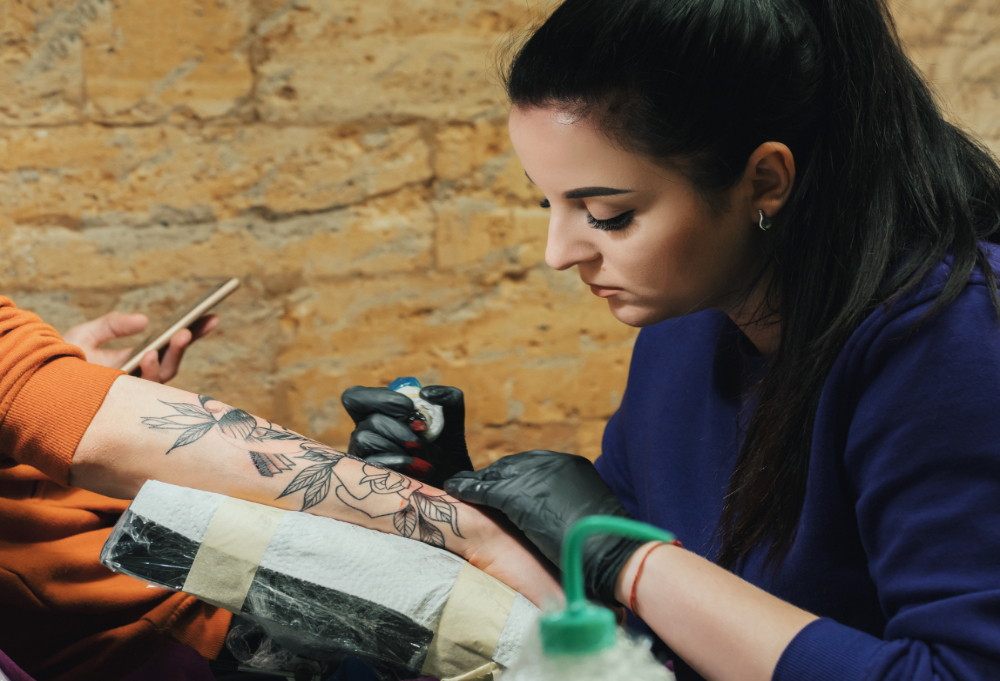
Getting a tattoo is an exciting milestone, but one of the most common questions people ask before booking their appointment is how long can you sit for a tattoo session. The answer is not one-size-fits-all. It depends on your pain tolerance, the complexity of the design, your body chemistry, and your artist’s style. Whether you are planning a small piece or a full sleeve, understanding what your body can handle will help you prepare mentally and physically for the experience.
Tattoo sessions can range anywhere from 30 minutes for a tiny minimalist design to 8 or more hours for large, detailed work. Some artists and clients push into multiple consecutive days for ambitious projects like back pieces or full-body suits. Knowing your limits before you sit down in that chair is key to making sure your session goes smoothly and your tattoo heals beautifully.
What Is the Average Length of a Tattoo Session?
The average tattoo session typically falls somewhere between 2 and 6 hours. Smaller tattoos, like a simple word, symbol, or small floral design, can be completed in under an hour. Medium-sized pieces with moderate detail, such as a forearm design or a calf wrap, usually take 3 to 5 hours. Large, complex projects like full sleeves, chest panels, or back pieces are often broken into multiple sessions of 4 to 8 hours each.
Your artist will generally give you a time estimate during your consultation, but keep in mind that estimates can shift depending on how your skin takes the ink, how often you need breaks, and how quickly the artist works. Some highly detailed blackwork or realism pieces require exceptional precision, which naturally slows down the process.
For first-timers especially, it is worth having an honest conversation with your tattoo artist about session length. Many artists actually prefer breaking large work into shorter sessions to ensure the quality of the piece stays high and the client remains comfortable throughout the process.
How Long Can You Sit for a Tattoo Before Your Body Gives Out?
This is the core question most people want answered: how long can you sit for a tattoo before your body physically and mentally hits a wall? For most people, that wall appears somewhere around the 4 to 6 hour mark. After this point, the body’s natural adrenaline wears off, the endorphins that initially numb some of the pain start to fade, and fatigue sets in heavily.
Your skin also has a limit. After prolonged tattooing in the same area, the skin becomes increasingly irritated and swollen. Artists refer to this as the skin “blowing out” or becoming too traumatized to hold ink cleanly. A skilled tattoo artist will recognize when your skin has had enough and will recommend stopping for the day, even if you feel mentally ready to push on.
Blood sugar levels play a significant role here as well. Extended sessions deplete your body’s glucose reserves, which can lead to lightheadedness, nausea, and even fainting. This is why many experienced clients bring snacks and electrolyte drinks to long sessions. Eating a solid meal before your appointment is not optional; it is essential, especially if you are planning to sit for more than 3 hours.
Emotional fatigue is another factor people overlook. Sitting still, managing pain, and staying in a fixed position for hours at a time is mentally draining. By hour 5 or 6, many clients find it difficult to stay still, which can affect the quality of the linework. Recognizing your own mental threshold is just as important as understanding your physical one.
How to Sit Through a Long Tattoo Session Without Breaking Down
Learning how to sit through a long tattoo session is a skill that develops over time, but there are strategies you can use from your very first appointment to make the process far more manageable.
Preparation starts the night before. Getting a full night of sleep is one of the most underrated ways to improve your tattoo experience. A well-rested body tolerates pain more effectively than a tired one, and your skin will be in better condition to receive ink. Avoid alcohol for at least 24 hours before your session, as it thins the blood and can cause excessive bleeding, which makes it harder for the artist to work cleanly.
On the day of your appointment, eat a nutritious, filling meal at least an hour before you go in. Complex carbohydrates, proteins, and healthy fats will keep your blood sugar stable for longer. Bring snacks for during the session, particularly things like nuts, granola bars, fruit, or anything that is easy to eat without making a mess or moving too much.
Wearing comfortable, loose clothing that gives your artist easy access to the area being tattooed is another simple but important step. Nothing derails a session faster than having to awkwardly position yourself around tight clothing.
Breathing techniques are surprisingly effective during a long session. Slow, controlled breathing helps regulate your nervous system and reduces the perception of pain. Some people find it helpful to breathe in for 4 counts, hold for 4 counts, and exhale for 4 counts. This rhythmic breathing keeps you calm and focused rather than tensing up against the needle.
Distraction is one of the most powerful tools available to you. Bring headphones and a curated playlist, download a podcast series you have been meaning to start, or queue up an audiobook. Letting your mind drift into a story or music removes your mental focus from the sensation of the needle, making hours feel like minutes.
Communication with your artist is crucial. Never push through severe discomfort silently. A good artist will welcome short breaks and will respect when you need a moment to breathe, eat a snack, or simply shift your position slightly. Taking a 5-minute break every 45 minutes to an hour can dramatically extend how long you are able to sit without your performance declining.
Factors That Affect How Long You Can Realistically Sit
Several individual factors determine how long any given person can handle a tattoo session. Pain tolerance varies widely from person to person and is influenced by genetics, past experience with pain, and your mental state on the day of the appointment.
Placement matters enormously. Certain areas of the body are far more painful than others. The ribs, spine, sternum, inner arm, back of the knee, and neck are notoriously difficult spots, and sessions in these areas tend to feel more exhausting even if they are shorter in duration. Fleshier areas like the outer thigh, upper arm, and calf are generally easier to tolerate for longer periods.
Skin sensitivity is another variable. People with highly sensitive skin may experience more intense pain and faster skin trauma, which limits session length. Those with more resilient skin may be able to push comfortably past the 6-hour mark with the right preparation.
Your history with tattoos also plays a role. First-time clients often underestimate how draining the experience can be, while seasoned collectors have usually learned their personal limits through trial and error. If you are new to tattooing, starting with a shorter session, even if your design could technically be done in one go, is a wise approach that helps you understand your own body’s response.
Conclusion
Understanding how long can you sit for a tattoo comes down to knowing yourself and preparing properly. Most people do well in sessions of 4 to 6 hours, while highly experienced collectors can sometimes stretch to 8 hours with the right mindset and preparation. Learning how to sit through a long tattoo session is about sleep, nutrition, distraction, communication, and listening to your body when it tells you it has had enough. Respect the process, trust your artist, and your experience from start to finish will be far better for it.
Need Custom Tattoos & Piercings Near You?
At Skin Illustrations Tattoo Studio, we’re more than just a tattoo parlor—we’re a creative sanctuary where your ideas, stories, and identity come to life through ink. By offering custom tattoos, an attentive tattoo design process, and a team of passionate tattoo artists, we are proud to deliver exceptional artistry tailored to you. Whether you’re considering floral tattoos, handwriting tattoos, black and gray tattoos, or bold full-color tattoos, reach out to us today and let us help you design something meaningful, lasting, and entirely your own.