

Body piercing has evolved far beyond traditional ear and nose piercings. Today, people interested in body art have access to a wide range of creative options that allow them to personalize their style in unique ways. Among the more modern trends gaining attention is the dermal anchor piercing. Known for its sleek appearance and versatile
READ MORECategory: Dermal Anchor Piercing
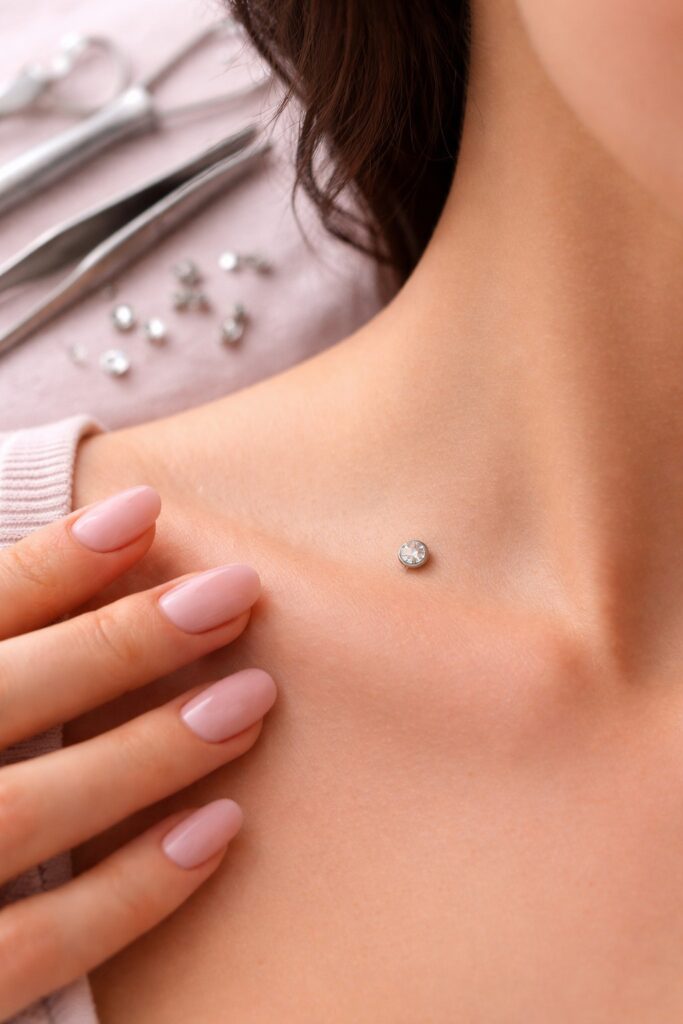
Body piercing has evolved far beyond traditional ear and nose piercings. Today, people interested in body art have access to a wide range of creative options that allow them to personalize their style in unique ways. Among the more modern trends gaining attention is the dermal anchor piercing. Known for its sleek appearance and versatile placement possibilities, this type of piercing has become increasingly popular for individuals looking for something distinctive.
Unlike traditional piercings that enter and exit through the skin, dermal piercings sit beneath the surface with a single visible piece of jewelry. The result is a small decorative top that appears to rest directly on the skin, creating a striking visual effect. Because of their unique structure, dermal anchor piercings can be placed in areas where traditional piercings would not be possible.
For individuals exploring new piercing styles, understanding how dermal anchor piercings work and how they differ from other dermal piercing types is essential. Professional studios like Skin Illustrations-Tattoos take a trend-aware and informative approach when introducing clients to these modern piercings. By helping clients understand the process, placement possibilities, and aftercare requirements, experienced piercers make it easier for first-time clients to decide whether this style is right for them.
What Is a Dermal Anchor Piercing?
A dermal anchor piercing is a single-point piercing that sits just beneath the surface of the skin. Unlike traditional piercings that use a bar or ring passing through the body, dermal anchors consist of a small base that is inserted under the skin with a decorative top that remains visible.
The base, sometimes called the anchor, is designed with small holes or openings that allow the surrounding tissue to grow around it during the healing process. This helps secure the anchor beneath the skin and keeps the jewelry in place.
Once the anchor is inserted, a threaded top is attached to the exposed post. This decorative top is the visible portion of the jewelry and can come in many different shapes, sizes, and styles.
Because dermal anchor piercings do not require an entry and exit point, they can be placed in areas where traditional piercings would not be practical. This unique structure allows for creative placement options that give individuals more freedom when designing their look.
The minimal and modern appearance of dermal piercings has made them popular among people who want body jewelry that feels subtle yet visually interesting.
Popular Placement Options for Dermal Piercings
One of the most appealing aspects of dermal piercings is the wide range of placement possibilities. Since the jewelry sits on the surface with an anchor beneath the skin, dermal piercings can be placed in many areas of the body.
Some individuals choose dermal anchor piercings along the cheekbones or near the outer corners of the eyes for a bold facial accent. Others prefer placements along the collarbone, where the jewelry catches light and adds a subtle decorative detail.
The lower back is another area where dermal piercings are sometimes placed. This placement can create a symmetrical design that complements body contours and clothing styles.
Chest placements are also common, particularly along the upper chest or sternum area. These placements can create elegant, minimalist jewelry points that draw attention without requiring larger pieces of jewelry.
The flexibility of dermal piercing types allows clients to work with professional piercers to choose placements that complement their natural features and personal style. Experienced studios like Skin Illustrations-Tattoos help guide clients through this process, ensuring the chosen placement works well with both anatomy and lifestyle.
Understanding Different Dermal Piercing Types
Although the terms dermal piercing and dermal anchor piercing are often used interchangeably, there are a few different techniques used to create surface-level piercings.
The most common method involves the dermal anchor. In this technique, the piercer creates a small pocket beneath the skin where the anchor base is inserted. Once in place, the decorative top is attached to complete the piercing.
Another method sometimes discussed when exploring dermal piercing types is the surface bar piercing. While it may appear similar at first glance, a surface bar piercing uses a small bar that enters and exits the skin. Because it requires two entry points, it behaves more like a traditional piercing.
Dermal anchor piercings have become more popular than surface bars in many cases because they require only a single entry point and offer more flexible placement options.
Understanding these differences helps clients make informed decisions about which style of piercing best suits their aesthetic goals. Professional piercers can explain the advantages and limitations of each method so clients can choose confidently.
What to Expect During the Piercing Process
For first-time clients considering a dermal anchor piercing, knowing what happens during the procedure can help reduce uncertainty and make the experience more comfortable.
The process begins with a consultation where the piercer discusses placement options and jewelry styles with the client. The chosen placement is then carefully marked to ensure the final result looks balanced and aligned with the client’s preferences.
After the area is cleaned and prepared, the piercer creates a small opening in the skin. This opening allows the anchor base to be inserted beneath the surface. Specialized tools are used to position the anchor securely so that it sits properly under the skin.
Once the anchor is placed, the decorative top is attached to the exposed post. The entire process is relatively quick, and professional studios prioritize cleanliness and safety throughout the procedure.
Studios like Skin Illustrations-Tattoos emphasize proper sterilization practices and high-quality jewelry to ensure the best possible experience for clients. Their informative approach helps first-time visitors understand every step of the process before the piercing begins.
Aftercare and Long-Term Care for Dermal Piercings
Proper aftercare plays an important role in helping dermal piercings heal successfully. Because the anchor sits beneath the skin, the surrounding tissue needs time to settle and secure the jewelry in place.
During the healing period, it is important to keep the area clean and avoid unnecessary contact or pressure on the piercing. Movement or irritation can interfere with the healing process and increase the risk of complications.
Cleaning the piercing with a saline solution and following the aftercare guidance provided by the piercer helps maintain a healthy environment for healing. Avoiding tight clothing or friction near the piercing can also reduce irritation.
Over time, once healing is complete, many clients choose to change the decorative tops on their dermal anchors. This allows them to experiment with different jewelry styles without removing the anchor itself.
Professional studios remain available for jewelry changes and maintenance if clients prefer assistance with these adjustments.
Dermal anchor piercings offer a modern and versatile form of body jewelry that appeals to many people exploring body art for the first time. Their unique structure allows for creative placement and stylish designs that stand out while maintaining a clean, minimalist look.
With the guidance of experienced professionals and a clear understanding of the process, clients can approach dermal piercings with confidence. Studios like Skin Illustrations-Tattoos provide the expertise and trend-aware insight that help individuals explore new piercing styles safely and thoughtfully.
-->